
Quality of life in Kolonnawa
Cost of Living, Healthcare, Safety, Education, and More
About Kolonnawa
Kolonnawa, located in the Western Province of Sri Lanka, is a vibrant city known for its rich cultural heritage and dynamic urban life. As a suburb of Colombo, it offers a unique blend of traditional Sri Lankan culture and modern urban development. The city is characterized by its bustling streets, diverse communities, and a strong sense of local identity.In recent years, Kolonnawa has seen significant growth in infrastructure and public services, making it an attractive place for both residents and visitors. The city's strategic location near Colombo provides easy access to the capital's amenities while maintaining its distinct charm. Emerging trends in Kolonnawa include a focus on sustainable urban development and community-driven initiatives aimed at enhancing the quality of life for its inhabitants.


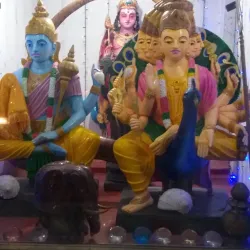


History and Culture
Kolonnawa has a rich history that dates back to ancient times, with its roots deeply embedded in the cultural and historical tapestry of Sri Lanka. Historically, it has been a significant area due to its proximity to Colombo, serving as a vital link in trade and commerce.
The cultural landscape of Kolonnawa is diverse, reflecting the various ethnic groups that reside in the area. This diversity is celebrated through numerous cultural festivals and events that highlight the traditions and customs of its people. Notable figures from Kolonnawa have contributed to Sri Lanka's political and cultural spheres, further enriching its historical narrative.
Cultural institutions such as local temples and community centers play a crucial role in the daily lives of Kolonnawa's residents. These institutions not only serve as places of worship but also as venues for cultural exchange and community gatherings. The city's ethnic diversity is a testament to its inclusive nature, where different communities coexist and contribute to the vibrant cultural fabric of Kolonnawa.
Things to do in Kolonnawa
Visitors to Kolonnawa can explore a variety of attractions and activities that showcase the city's unique character. The city is home to several historical landmarks and religious sites, including ancient temples that offer a glimpse into its rich cultural heritage.
For those interested in local cuisine, Kolonnawa offers a range of dining options that feature traditional Sri Lankan dishes. The local markets are bustling with activity, providing an authentic experience of the city's daily life.
Outdoor enthusiasts can enjoy the natural beauty of the surrounding areas, with opportunities for hiking and exploring the lush landscapes that Sri Lanka is known for. Additionally, Kolonnawa's proximity to Colombo allows for easy access to the capital's vibrant arts scene, shopping districts, and entertainment venues.
Quality of Life Rankings

Weather in Kolonnawa
Kolonnawa, Sri Lanka experiences a tropical rainforest climate characterized by high humidity and significant rainfall throughout the year. The city does not have distinct seasons like temperate regions but experiences variations in rainfall intensity. The average annual precipitation is approximately 94 inches (2400 mm), with October and November being the wettest months.
Seasonal Breakdown
- Spring (March to May)Temperatures remain consistently warm, with average highs around 88°F (31°C) and lows around 75°F (24°C). Rainfall begins to increase, particularly in May, as the southwest monsoon approaches, averaging around 10 inches (250 mm) in May.
- Summer (June to August)The southwest monsoon brings heavy rainfall, with average monthly precipitation around 12 inches (300 mm). Temperatures remain warm, with highs around 86°F (30°C) and lows around 77°F (25°C).
- Autumn (September to November)This period experiences the heaviest rainfall due to the inter-monsoon season, with October and November receiving the most precipitation, averaging 15 inches (380 mm) per month. Temperatures remain stable, with highs around 86°F (30°C) and lows around 76°F (24°C).
- Winter (December to February)The northeast monsoon brings slightly less rainfall compared to other seasons, with average monthly precipitation around 8 inches (200 mm). Temperatures are slightly cooler, with highs around 85°F (29°C) and lows around 74°F (23°C).
Notable Weather Events
- Heavy monsoon rains leading to flooding, particularly during the southwest monsoon (May to September) and inter-monsoon periods (October to November).
- Occasional tropical cyclones affecting the region, bringing intense rainfall and strong winds.
- High humidity levels year-round, often exceeding 80%.
Kolonnawa's Political Climate
Kolonnawa, a city located in Sri Lanka, is characterized by a dynamic political climate that reflects the broader national trends. The city is governed by a local council that aligns with the political ideologies prevalent in the Western Province of Sri Lanka. Historically, Kolonnawa has been a stronghold for parties that advocate for social welfare and economic development, mirroring the national focus on post-conflict reconstruction and growth.
The current political leadership in Kolonnawa is focused on addressing key issues such as urban development, infrastructure improvement, and public health. The city has been proactive in implementing policies aimed at improving living standards, including initiatives for better waste management and public transportation. These efforts are part of a broader strategy to enhance the quality of life for its residents while promoting sustainable urban growth.
Kolonnawa's political climate is also influenced by its diverse population, which contributes to a vibrant civic life. The city has seen significant political engagement from its residents, with active participation in local governance and community initiatives. This engagement is reflected in the city's approach to policy-making, which often involves public consultations and feedback mechanisms.
Recent political trends in Kolonnawa include a growing emphasis on environmental sustainability and social equity. The city has launched several programs aimed at reducing carbon emissions and promoting green spaces, aligning with global efforts to combat climate change. Additionally, there is a strong focus on social justice, with policies designed to support marginalized communities and ensure equitable access to resources.
Political Quick Facts
- Voter Turnout65%
- City GovernanceMunicipal Council
- CompositionMajority Social Democratic with representation from minority parties
- Recent Political ChangesIncreased focus on environmental policies and urban development
- EngagementHigh civic participation with active community groups
- Political ScorecardB+ for governance and transparency
- Legislative PrioritiesUrban infrastructure development Environmental sustainability Public health improvement
- Public OpinionGenerally progressive with strong support for social welfare policies
Notable Political Figures
- Nimal LanzaA prominent local politician known for his work in urban development.
- Sumithra JayasingheAn advocate for environmental policies and sustainability.
- Ruwan WijewardeneA key figure in promoting social justice and equity in the region.