
Quality of life in Albinen
Cost of Living, Healthcare, Safety, Education, and More
About Albinen
Nestled in the heart of the Swiss Alps, Albinen is a picturesque village known for its breathtaking views and tranquil atmosphere. This charming locale offers a unique blend of traditional Swiss culture and modern living, making it an attractive destination for both tourists and new residents.Albinen's economy is primarily driven by tourism, with visitors flocking to experience its stunning landscapes and outdoor activities. The village is also gaining attention for its innovative approaches to sustainable living and community development, which are becoming increasingly important in today's world.


History and Culture
Albinen's history dates back several centuries, with its roots deeply embedded in the traditions of the Valais region. The village has maintained its cultural heritage through its well-preserved architecture and local customs, offering a glimpse into the past for those who visit.
Throughout its history, Albinen has been influenced by the broader historical events of Switzerland, including its role in the development of the Swiss Confederation. The village's cultural landscape is enriched by its traditional festivals and events, which celebrate the unique customs and practices of the region.
The community is known for its strong sense of identity and pride, with local residents actively participating in preserving their cultural heritage. This is evident in the numerous cultural institutions and events that take place throughout the year, showcasing the vibrant traditions of Albinen.
Things to do in Albinen
Albinen offers a variety of activities for visitors and residents alike. Outdoor enthusiasts can enjoy hiking and skiing in the surrounding Alps, with trails and slopes that cater to all levels of experience.
The village is also home to several cultural events and festivals, such as the annual Swiss National Day celebrations, which highlight the rich traditions and community spirit of Albinen.
For those interested in relaxation, Albinen provides a serene environment with its natural hot springs and wellness centers, perfect for unwinding and enjoying the stunning Alpine scenery.
Quality of Life Rankings
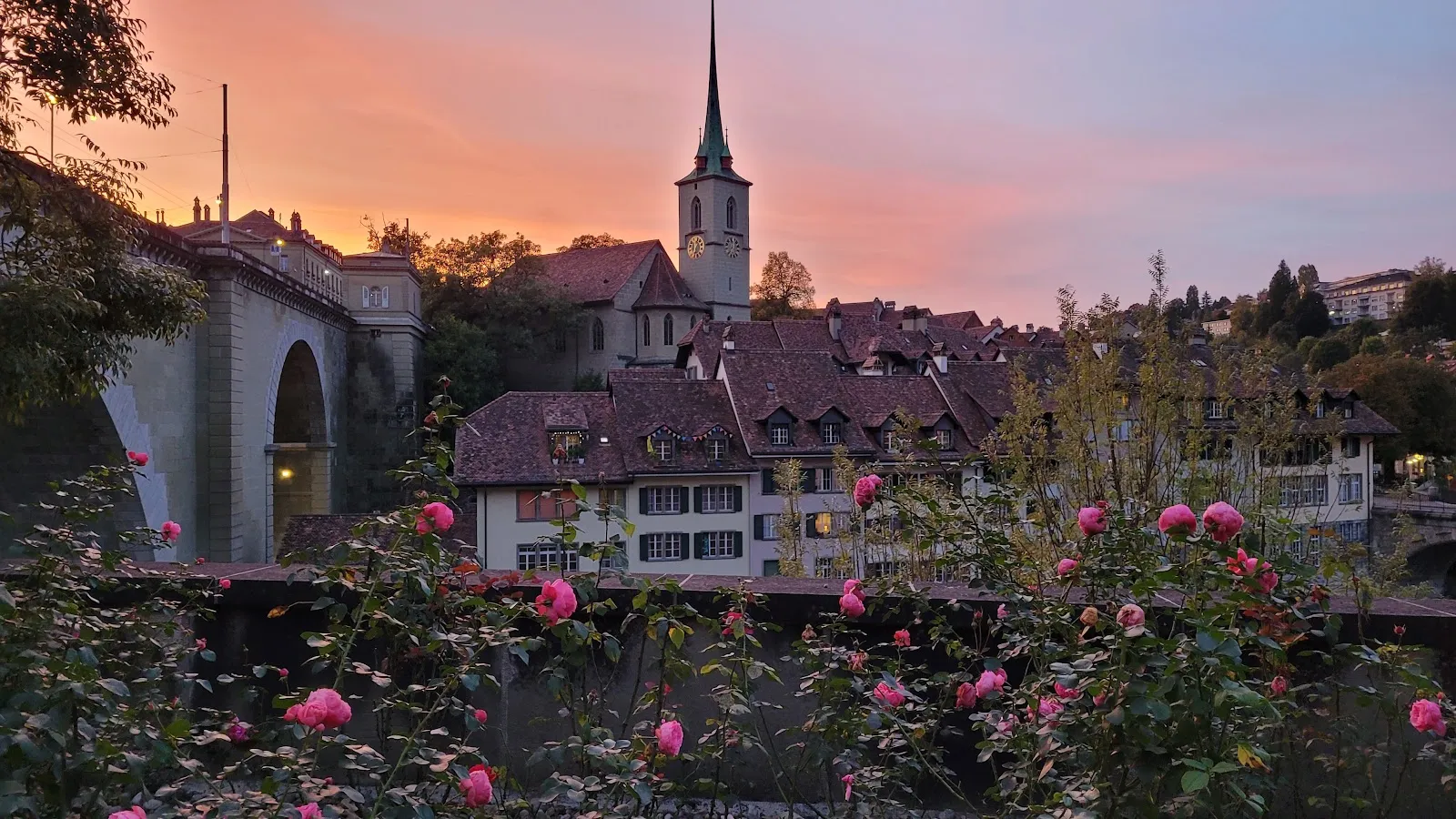

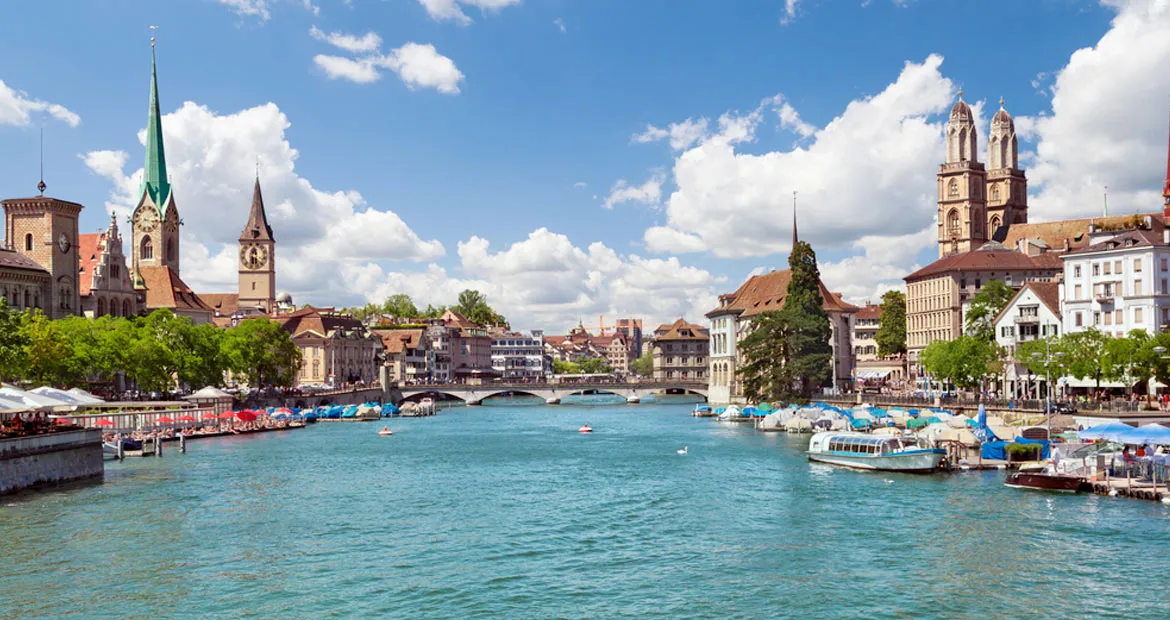
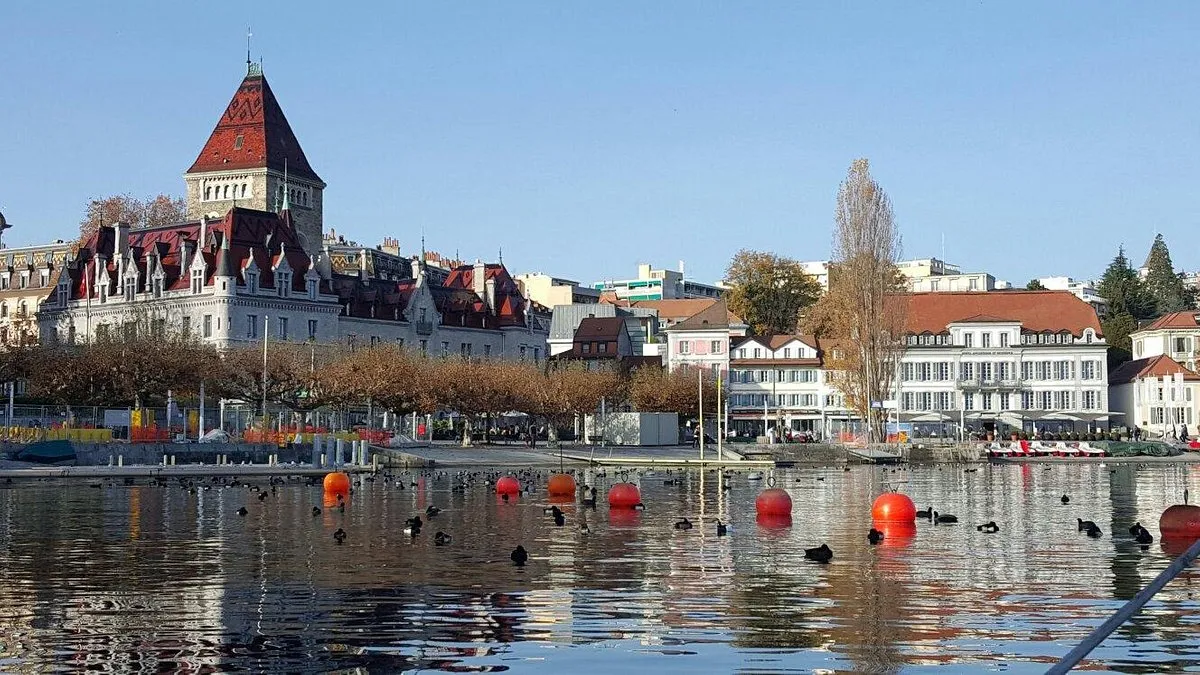
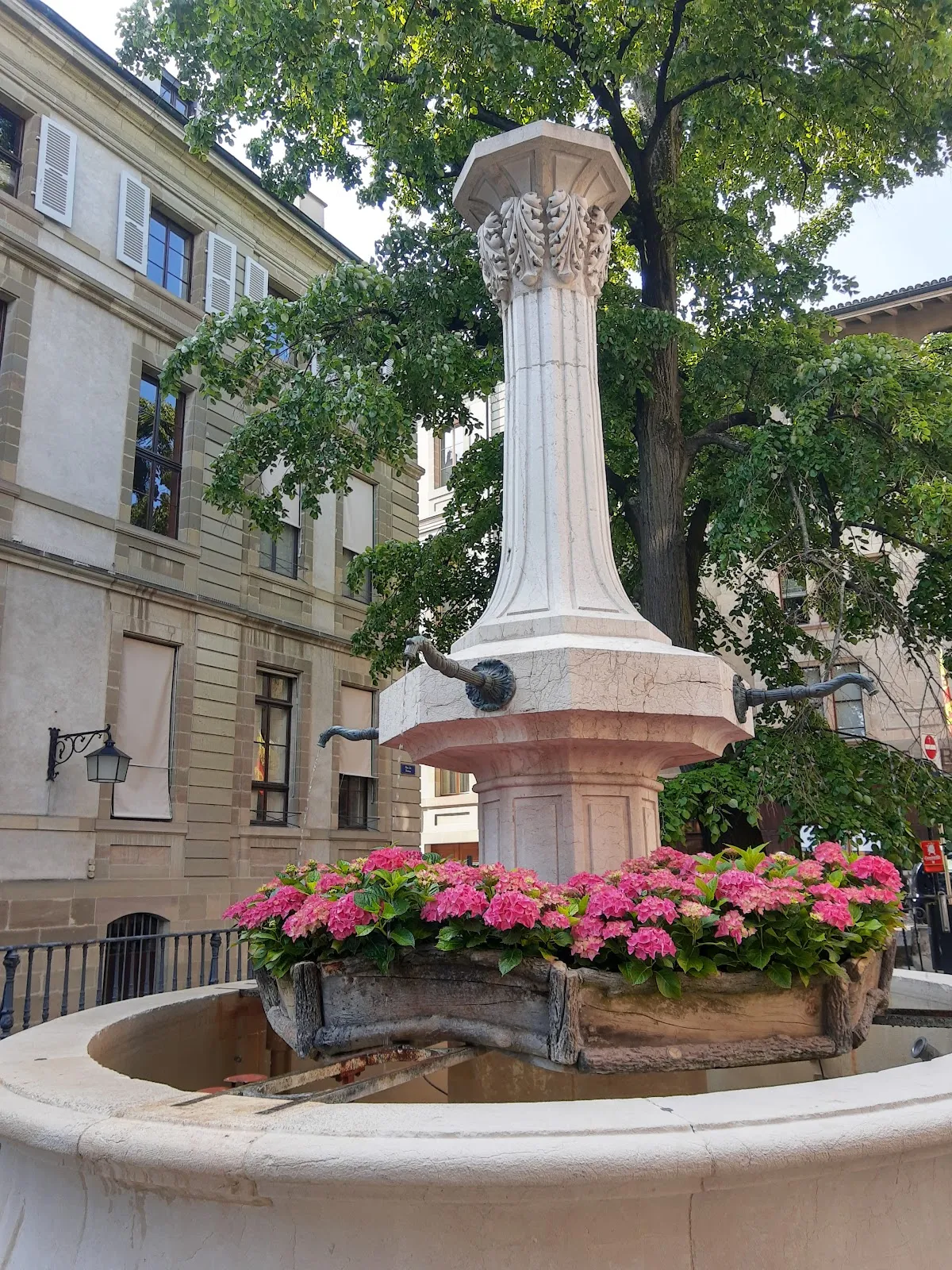
Weather in Albinen
Albinen, Switzerland experiences a temperate alpine climate characterized by cold, snowy winters and mild to warm summers. The village is situated in the Swiss Alps, which influences its weather patterns significantly. The area receives an average annual precipitation of approximately 35 inches (890 mm), with May being the wettest month, averaging around 4 inches (100 mm) of rainfall.
Seasonal Breakdown
- Spring (March to May)Temperatures gradually rise from an average high of 45°F (7°C) in March to 60°F (15°C) in May. Rainfall increases during this period, with May receiving the most precipitation, averaging 4 inches (100 mm).
- Summer (June to August)The warmest months, with average highs ranging from 70°F (21°C) in June to 75°F (24°C) in July. Rainfall decreases slightly during the summer, averaging around 3 inches (76 mm) per month.
- Autumn (September to November)Temperatures gradually decrease from an average high of 65°F (18°C) in September to 45°F (7°C) in November. Rainfall remains moderate, averaging around 3.5 inches (89 mm) per month.
- Winter (December to February)The coldest period, with average highs ranging from 35°F (2°C) in December to 30°F (-1°C) in February. Snowfall is significant, especially in January, averaging about 10 inches (254 mm).
Notable Weather Events
- Heavy snowfall during winter months, particularly in January.
- Occasional summer thunderstorms, especially in July and August.
- Potential for late spring snowfalls in March and early April.
Albinen's Political Climate
Albinen, a picturesque village in Switzerland, is known for its unique approach to governance and community engagement. The political climate in Albinen is characterized by a strong emphasis on local autonomy and participatory democracy, reflecting the broader Swiss tradition of direct democracy. The village council plays a pivotal role in decision-making, often involving residents in referendums to decide on key issues affecting the community.
Historically, Albinen has been proactive in addressing demographic challenges, such as population decline. In recent years, the village gained international attention for its innovative policy of offering financial incentives to attract new residents, a move aimed at revitalizing the local economy and community life. This policy reflects Albinen's commitment to sustainable development and social cohesion.
Albinen's political landscape is also shaped by its commitment to environmental sustainability. The village has implemented several green initiatives, including promoting eco-friendly tourism and preserving its natural landscapes. These efforts are aligned with Switzerland's national policies on environmental conservation and sustainable development.
The political climate in Albinen influences its economic and social decisions, with a focus on maintaining a high quality of life for its residents. The village's leadership is keen on balancing development with the preservation of its cultural heritage and natural beauty. Recent trends indicate a growing interest in enhancing digital infrastructure to support remote work and attract a younger demographic.
Political Quick Facts
- Voter Turnout85%
- City GovernanceVillage council with direct democracy elements
- CompositionMajority independent with a focus on local issues
- Recent Political ChangesImplementation of financial incentives to attract new residents
- EngagementHigh, with active participation in local referendums
- Political ScorecardHigh transparency and community involvement
- Legislative PrioritiesPopulation growth and retention Sustainable tourism Digital infrastructure development
- Public OpinionGenerally supportive of progressive policies and community-driven initiatives
Notable Political Figures
- Hans SchmidCurrent mayor known for his innovative policies to attract new residents.
- Elisabeth MüllerLocal council member advocating for sustainable tourism.
- Reto ZieglerCommunity leader focused on enhancing digital infrastructure.