
Quality of life in Neipu
Cost of Living, Healthcare, Safety, Education, and More
About Neipu
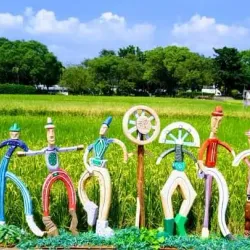
Neipu, located in the southern part of Taiwan, is a charming town known for its rich cultural heritage and serene landscapes. It offers a unique blend of traditional Taiwanese culture and modern influences, making it a fascinating destination for both locals and tourists.The town is surrounded by lush greenery and agricultural fields, contributing to its reputation as a peaceful retreat away from the bustling city life. Neipu is also recognized for its vibrant local markets and traditional crafts, which reflect the town's deep-rooted cultural values.


History and Culture
Neipu's history dates back to the early days of Taiwan's settlement, with its development closely tied to the agricultural industry. The town has preserved many of its historical sites, offering a glimpse into its past and the evolution of its cultural identity.
Cultural festivals play a significant role in Neipu's community life, with events such as the Lantern Festival and Harvest Festival attracting visitors from across the region. These celebrations highlight the town's rich traditions and the importance of community in maintaining cultural heritage.
The influence of various ethnic groups, including the Hakka community, is evident in Neipu's cultural landscape. This diversity is reflected in the town's cuisine, language, and traditional practices, contributing to a vibrant and inclusive cultural atmosphere.
Things to do in Neipu
Visitors to Neipu can explore the town's historical sites, such as the Neipu Old Street, which offers a journey through time with its well-preserved architecture and traditional shops.
For nature enthusiasts, the nearby Neipu Forest Park provides a tranquil setting for hiking and enjoying the natural beauty of the region. The park is a popular spot for picnics and outdoor activities, offering a peaceful escape into nature.
Neipu is also known for its local markets, where visitors can experience the town's culinary delights and purchase handmade crafts. The markets are a hub of activity, showcasing the best of Neipu's local produce and artisanal goods.
Quality of Life Rankings
Weather in Neipu
Neipu, Taiwan experiences a humid subtropical climate characterized by hot, humid summers and mild, relatively dry winters. The city receives an average annual precipitation of approximately 78 inches (2000 mm), with June being the wettest month, averaging 13 inches (330 mm) of rainfall.
Seasonal Breakdown
- Spring (March to May)Temperatures gradually rise from an average high of 75°F (24°C) in March to 85°F (29°C) in May. Rainfall increases during this period, with May receiving significant precipitation, averaging around 10 inches (250 mm).
- Summer (June to August)The hottest months, with average highs ranging from 88°F (31°C) in June to 91°F (33°C) in July. Rainfall is at its peak in June, averaging around 13 inches (330 mm) per month, often due to the monsoon season.
- Autumn (September to November)Temperatures gradually decrease from an average high of 87°F (31°C) in September to 77°F (25°C) in November. Rainfall remains moderate, averaging around 8 inches (200 mm) per month.
- Winter (December to February)The coldest period, with average highs ranging from 70°F (21°C) in December to 68°F (20°C) in February. Rainfall is relatively low, averaging about 3 inches (75 mm) in January.
Notable Weather Events
- Typhoons are common during the summer and early autumn, often bringing heavy rain and strong winds.
- Occasional heatwaves can occur during the peak of summer, with temperatures exceeding 95°F (35°C).
- The monsoon season contributes to high humidity and frequent thunderstorms in the summer.
Neipu's Political Climate
Neipu, a township located in Pingtung County, Taiwan, is characterized by a vibrant political climate that reflects the broader dynamics of Taiwanese politics. The governance of Neipu is influenced by Taiwan's multi-party system, with the Democratic Progressive Party (DPP) and the Kuomintang (KMT) being the dominant forces. The township's political landscape is shaped by its agricultural roots and the socio-economic needs of its residents.
Historically, Neipu has been a site of political activity that mirrors the national trends, with local elections often reflecting the broader political sentiments of Taiwan. The current political leadership in Neipu is focused on addressing local issues such as agricultural development, infrastructure improvement, and community welfare. Key political issues include land use policies, environmental conservation, and the promotion of local industries.
Neipu has implemented several progressive policies, particularly in sustainability and environmental conservation. The township has been active in promoting green energy initiatives and sustainable agricultural practices, aligning with Taiwan's national goals of reducing carbon emissions and enhancing environmental resilience.
The political climate in Neipu significantly influences its economic and social decisions. The township's leadership prioritizes policies that support local farmers and small businesses, aiming to boost the local economy while ensuring social equity. Recent political trends in Neipu include a growing emphasis on digital governance and increased civic engagement, with local movements advocating for greater transparency and accountability in government.
Political Quick Facts
- Voter Turnout72%
- City GovernanceTownship Council and Mayor
- CompositionDPP majority with KMT minority
- Recent Political ChangesIncreased focus on digital governance and transparency
- EngagementHigh, with active community participation in local governance
- Political ScorecardB+ for governance and transparency
- Legislative PrioritiesSustainable agriculture Infrastructure development Community welfare
- Public OpinionGenerally progressive with strong support for environmental policies
Notable Political Figures
- Chen Wei-chihCurrent Mayor of Neipu, known for his focus on sustainable development.
- Lin Mei-huiTownship Councilor advocating for digital governance and transparency.
- Wang Yu-tingLocal activist and leader in community welfare initiatives.