
Quality of life in Portage
Cost of Living, Healthcare, Safety, Education, and More

About Portage
Portage, MI, located in the southwestern part of Michigan, is a city known for its rich history and vibrant community life. It offers a unique blend of suburban comfort and natural beauty, making it an attractive place for families and individuals alike.The city is characterized by its extensive park system, which includes over 50 miles of trails and numerous parks, providing ample opportunities for outdoor activities. Portage is also home to a thriving local economy, with key industries in manufacturing, healthcare, and education.In recent years, Portage has seen a growth in cultural and recreational activities, making it a dynamic place to live and visit. The city's commitment to maintaining a high quality of life is evident in its well-maintained public spaces and community-focused initiatives.


History and Culture
Portage's history dates back to the early 19th century when it was first settled by European Americans. The city played a significant role in the development of the region, particularly with the establishment of the Michigan Central Railroad, which spurred economic growth.
Throughout its history, Portage has maintained a strong sense of community, with local traditions and events that celebrate its heritage. The city's cultural landscape is enriched by institutions such as the Portage District Library and the Air Zoo, an aviation museum that offers educational programs and exhibits.
Portage is also known for its diverse population, which has contributed to a rich cultural tapestry. Various cultural festivals and events are held throughout the year, showcasing the city's commitment to inclusivity and cultural exchange.
Things to do in Portage
Portage offers a wide range of activities and attractions for residents and visitors. The city's extensive park system is perfect for outdoor enthusiasts, with opportunities for hiking, biking, and picnicking.
Cultural attractions include the Air Zoo, which features interactive exhibits and a collection of historic aircraft. The Portage District Library is another cultural hub, offering a variety of programs and resources for all ages.
For those interested in shopping and dining, the Crossroads Mall provides a variety of retail options, while local restaurants offer diverse culinary experiences. Annual events such as the Portage Winter Blast and the Portage Summer Concert Series add to the city's vibrant community life.
Quality of Life Rankings
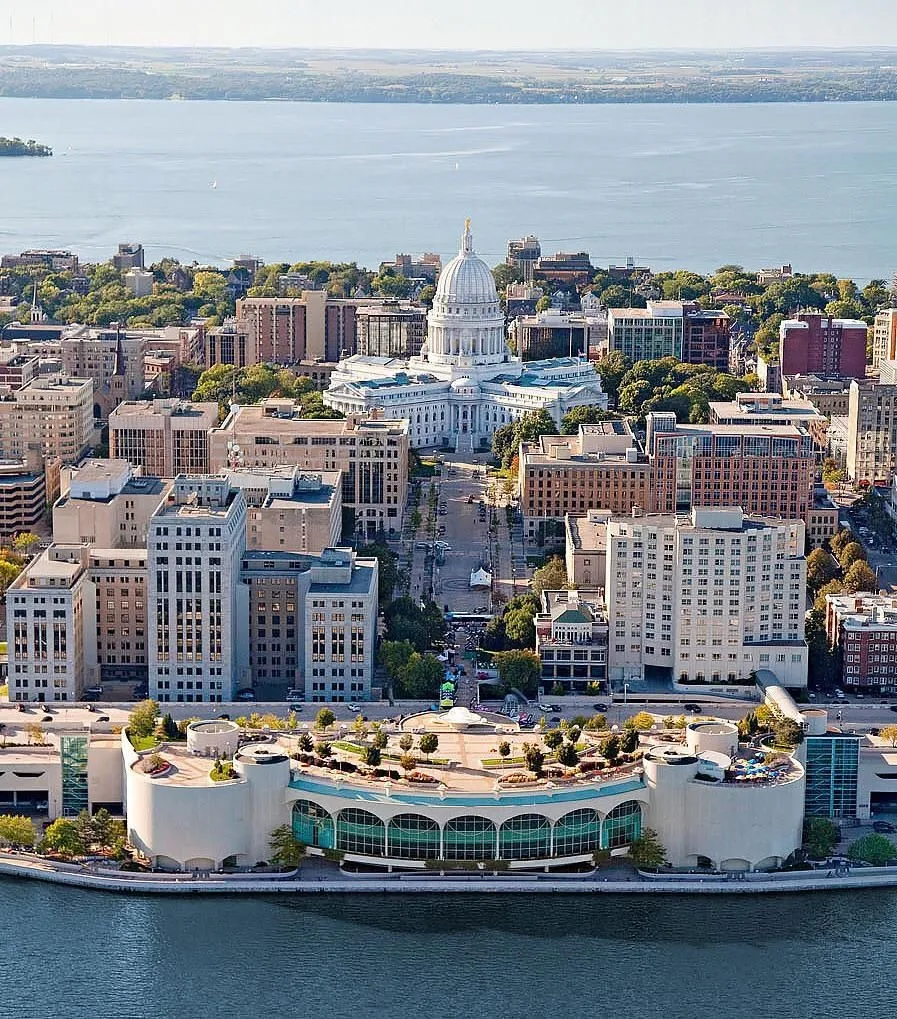
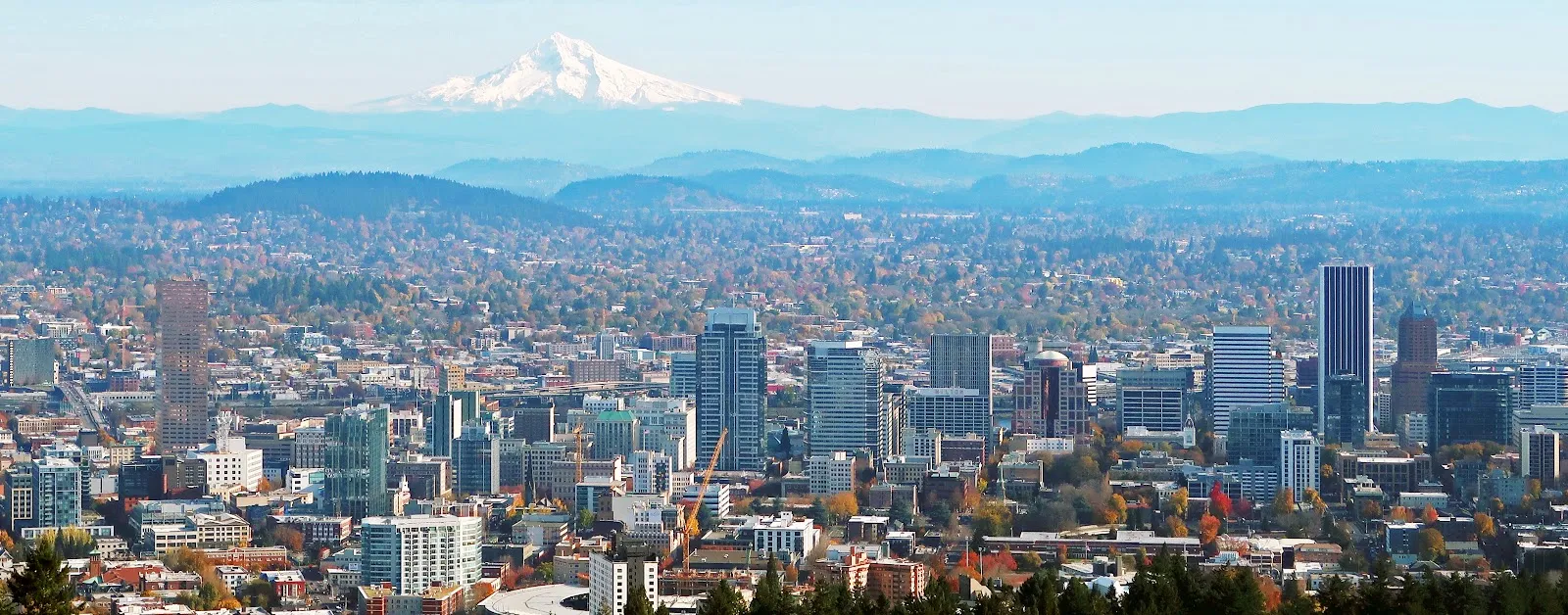
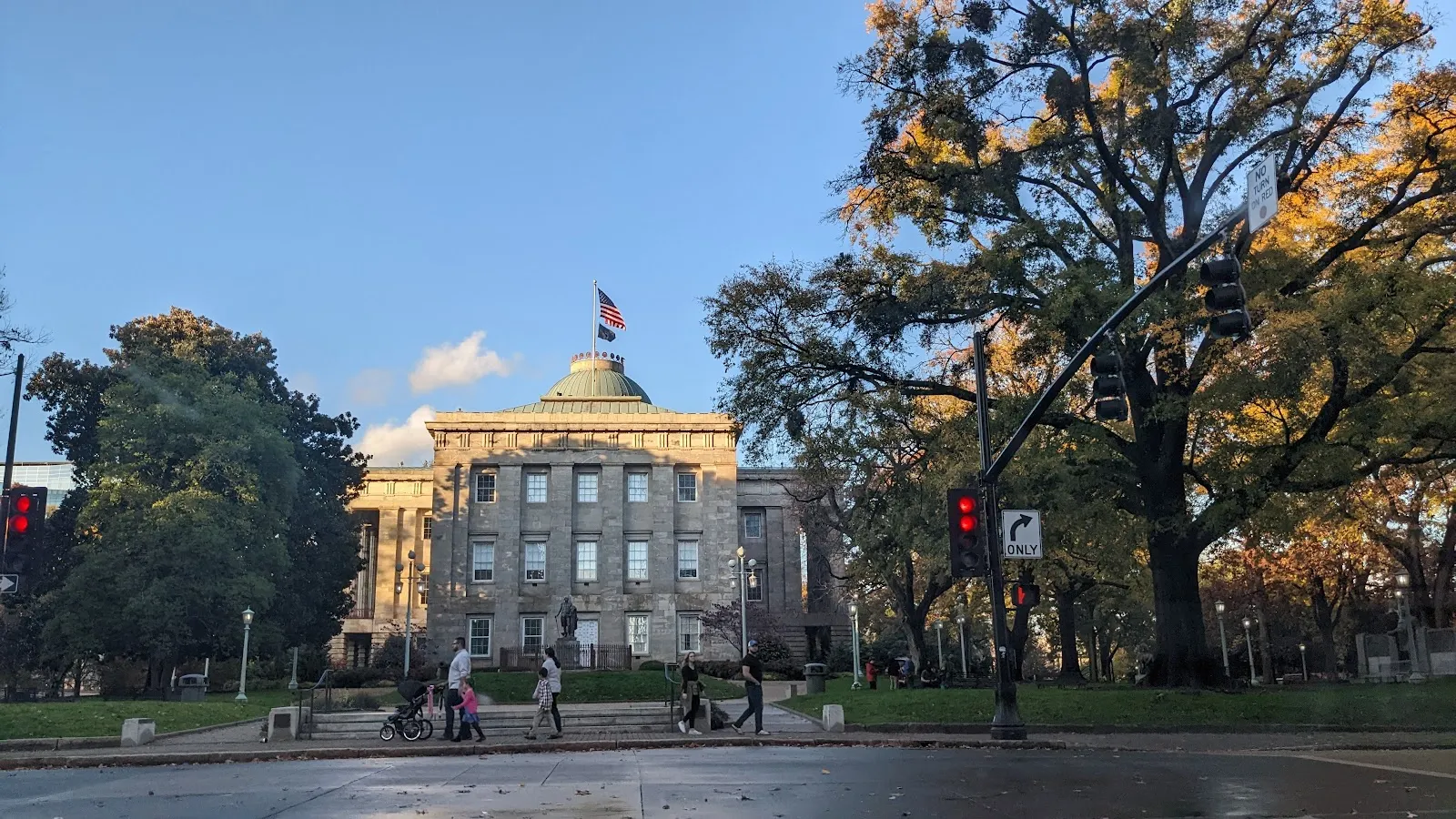
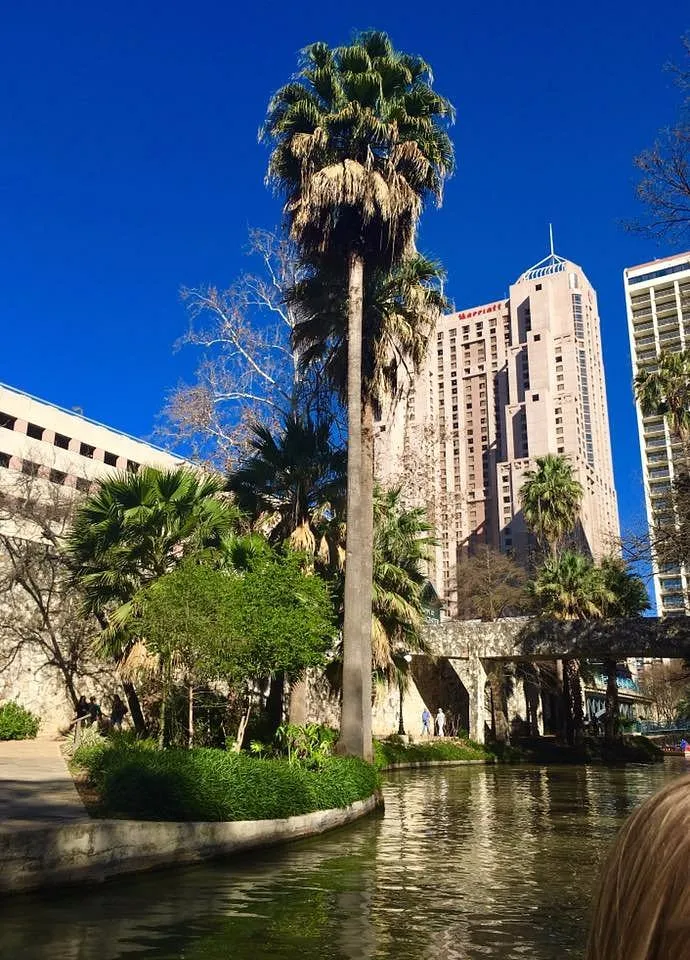
Weather in Portage
Portage, MI, United States experiences a humid continental climate characterized by four distinct seasons, with cold, snowy winters and warm, humid summers. The city receives an average annual precipitation of approximately 36 inches (914 mm), with September being the wettest month, averaging 4 inches (102 mm) of rainfall.
Seasonal Breakdown
- Spring (March to May)Temperatures gradually rise from an average high of 45°F (7°C) in March to 70°F (21°C) in May. Rainfall increases during this period, with May receiving the most precipitation, averaging 3.5 inches (89 mm).
- Summer (June to August)The hottest months, with average highs ranging from 80°F (27°C) in June to 85°F (29°C) in July. Rainfall decreases during the summer, averaging around 3 inches (76 mm) per month.
- Autumn (September to November)Temperatures gradually decrease from an average high of 75°F (24°C) in September to 50°F (10°C) in November. Rainfall remains moderate, averaging around 3.5 inches (89 mm) per month.
- Winter (December to February)The coldest period, with average highs ranging from 35°F (2°C) in December to 32°F (0°C) in February. Snowfall is significant, averaging about 15 inches (381 mm) in January.
Notable Weather Events
- Heavy snowfall during winter months, particularly in January.
- Occasional heatwaves in July and August.
- Thunderstorms are common in late spring and early summer.
Portage's Political Climate
Portage, located in the state of Michigan, United States, is known for its balanced political climate that reflects a blend of progressive and conservative values. The city operates under a council-manager form of government, which emphasizes professional management and non-partisan leadership. This structure allows for efficient governance and policy implementation, focusing on community needs and development.
Historically, Portage has been a city that values education, infrastructure, and community welfare. The current political leadership is keen on maintaining these values while also addressing modern challenges such as environmental sustainability and economic diversification. The city has implemented several progressive policies, including initiatives to enhance public transportation and promote green energy solutions.
Portage's political climate is significantly influenced by its residents' active participation in civic matters. The city has seen a rise in political engagement, with local movements advocating for social justice and economic equity gaining momentum. This engagement is reflected in the city's policy directions, which often prioritize inclusivity and community well-being.
Recent political trends in Portage include a focus on enhancing digital infrastructure and fostering small business growth. The city has also been part of broader state-level discussions on healthcare reform and education funding, reflecting its commitment to addressing both local and statewide issues.
Political Quick Facts
- Voter Turnout68%
- City GovernanceCouncil-manager government
- Composition4 Democrats, 3 Republicans
- Recent Political ChangesIncreased focus on digital infrastructure and green energy initiatives
- EngagementHigh, with active community participation in local governance
- Political ScorecardB+ for governance and transparency
- Legislative PrioritiesEnhancing public transportation Promoting green energy solutions Supporting small business growth
- Public OpinionGenerally progressive with strong support for environmental and social policies
Notable Political Figures
- Patricia RandallCurrent Mayor known for her focus on community development and sustainability.
- Jim MalleryCity Manager with a reputation for effective governance and transparency.
- Chris BurnsCity Council Member advocating for educational reforms and digital infrastructure.