
Quality of life in Jidd Hafs
Cost of Living, Healthcare, Safety, Education, and More
About Jidd Hafs
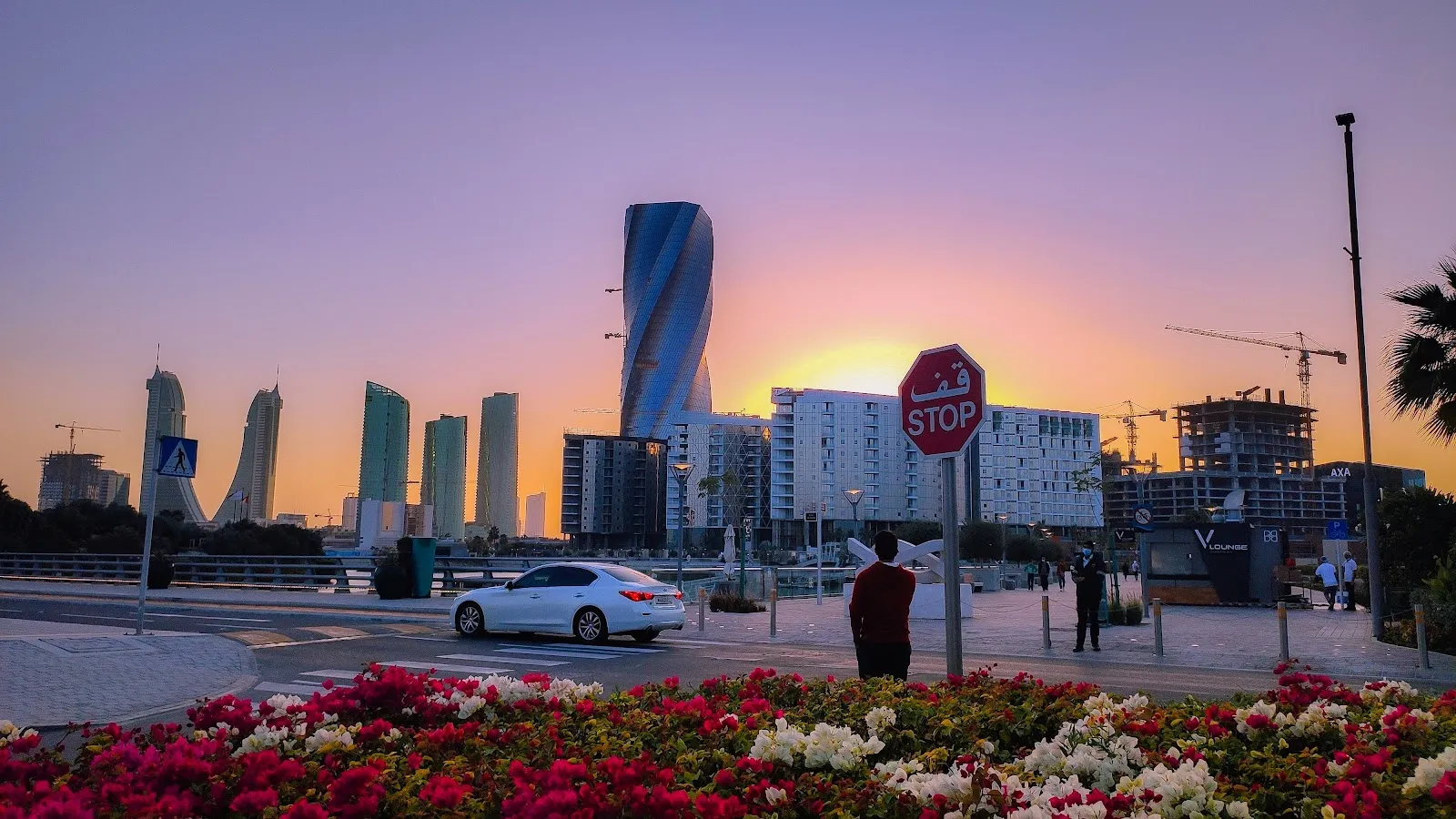
Jidd Hafs, located in the Kingdom of Bahrain, is a city that blends traditional charm with modern development. Known for its vibrant community and cultural richness, Jidd Hafs offers a unique glimpse into Bahraini life. The city is characterized by its bustling markets, historic sites, and a warm, welcoming atmosphere.In recent years, Jidd Hafs has seen significant growth in its infrastructure and economy, making it an attractive destination for both residents and visitors. The city's strategic location within Bahrain provides easy access to the capital, Manama, and other key areas, enhancing its appeal as a hub of activity and culture.


History and Culture
Jidd Hafs has a rich history that dates back centuries, playing a crucial role in the development of Bahrain. Historically, it has been a center for trade and commerce, benefiting from its proximity to the Persian Gulf. This strategic location has allowed Jidd Hafs to flourish as a vibrant market town, attracting traders and settlers from across the region.
The cultural landscape of Jidd Hafs is deeply influenced by its diverse population, which includes a mix of Bahraini nationals and expatriates. This diversity is reflected in the city's cultural events, traditional crafts, and culinary offerings. The city is home to several cultural institutions and landmarks, including mosques, traditional houses, and public spaces that host local festivals and celebrations.
Notable figures from Jidd Hafs have contributed to Bahrain's cultural and political landscape, further enriching the city's historical narrative. The city's commitment to preserving its heritage while embracing modernity is evident in its architecture and urban planning, which seamlessly blend old and new.
Things to do in Jidd Hafs
Visitors to Jidd Hafs can explore a variety of attractions and activities that highlight the city's cultural and historical significance. The local markets, or souks, offer a vibrant shopping experience with a wide array of goods, from traditional crafts to modern merchandise.
Cultural enthusiasts can visit the city's historic mosques and traditional houses, which provide insight into the architectural styles and cultural practices of the region. Additionally, Jidd Hafs hosts several cultural festivals throughout the year, celebrating Bahraini traditions and fostering community spirit.
For those interested in outdoor activities, the city's parks and public spaces offer a relaxing environment for leisure and recreation. The proximity to the coast also provides opportunities for water-based activities, making Jidd Hafs a versatile destination for both cultural exploration and relaxation.
Quality of Life Rankings
Weather in Jidd Hafs
Jidd Hafs, Bahrain experiences a desert climate characterized by extremely hot summers and mild winters. The city receives minimal annual precipitation, averaging around 3 inches (75 mm), with the majority of rainfall occurring during the winter months.
Seasonal Breakdown
- Spring (March to May)Temperatures begin to rise significantly, with average highs ranging from 77°F (25°C) in March to 95°F (35°C) in May. Rainfall is scarce, with occasional brief showers.
- Summer (June to August)The hottest months of the year, with average highs soaring to 104°F (40°C) and sometimes exceeding 113°F (45°C). Rainfall is virtually nonexistent during this period.
- Autumn (September to November)Temperatures gradually decrease from an average high of 97°F (36°C) in September to 81°F (27°C) in November. Rainfall remains minimal, with slight increases towards November.
- Winter (December to February)The mildest period, with average highs ranging from 70°F (21°C) in December to 73°F (23°C) in February. This is the wettest time of the year, though rainfall is still limited, averaging about 1 inch (25 mm) in January.
Notable Weather Events
- Heatwaves during the summer months, with temperatures often exceeding 113°F (45°C).
- Occasional dust storms, particularly in the transition between seasons.
- Rare but intense thunderstorms during the winter months.
Jidd Hafs's Political Climate
Jidd Hafs, located in Bahrain, is a city that reflects the broader political dynamics of the country. Bahrain is a constitutional monarchy with a parliamentary system, and the political climate in Jidd Hafs is influenced by national politics. The city is governed under the framework of Bahrain's political system, which includes a bicameral parliament consisting of the Consultative Council and the Council of Representatives.
Historically, Bahrain has experienced political tensions, particularly between the ruling Sunni monarchy and the predominantly Shia population. These tensions have occasionally manifested in Jidd Hafs, which has been a site for political demonstrations and calls for reform. The city has seen efforts to address these issues through dialogue and reform initiatives, although challenges remain.
In recent years, Jidd Hafs has been part of Bahrain's broader push towards modernization and economic diversification. The city has embraced policies aimed at improving infrastructure, enhancing public services, and promoting social welfare. Environmental sustainability and digital transformation are also key areas of focus, reflecting a progressive approach to urban development.
The political climate in Jidd Hafs is characterized by a mix of traditional values and modern aspirations. This duality influences the city's economic, social, and environmental policies, as leaders strive to balance growth with cultural preservation. Recent political events in Bahrain, such as the national dialogue initiatives, have also impacted the local political scene, encouraging greater civic engagement and participation.
Political Quick Facts
- Voter Turnout60%
- City GovernanceMunicipal council under national government oversight
- CompositionMixed representation with appointed and elected members
- Recent Political ChangesIncreased focus on economic reforms and social welfare programs
- EngagementModerate, with active participation in national dialogues
- Political ScorecardModerate transparency with ongoing reforms
- Legislative PrioritiesEconomic diversification Social welfare enhancement Infrastructure development
- Public OpinionGenerally supportive of modernization efforts, with calls for greater political reform
Notable Political Figures
- Khalid bin Ahmed Al KhalifaFormer Minister of Foreign Affairs known for his role in diplomatic relations.
- Ali SalmanProminent opposition leader and former Secretary-General of Al-Wefaq National Islamic Society.
- Fawzia ZainalFirst female Speaker of the Council of Representatives in Bahrain.