
Quality of life in Alappuzha
Cost of Living, Healthcare, Safety, Education, and More
About Alappuzha
Alappuzha, often referred to as the 'Venice of the East', is a picturesque city in the southern state of Kerala, India. Known for its intricate network of canals, backwaters, and lagoons, Alappuzha is a hub of natural beauty and cultural richness. The city is renowned for its houseboat cruises, which offer a unique way to explore the serene backwaters and lush landscapes.In recent years, Alappuzha has seen a surge in tourism, driven by its unique attractions and the warm hospitality of its residents. The local economy thrives on agriculture, coir production, and tourism, with a growing emphasis on sustainable practices. Alappuzha's vibrant culture is reflected in its festivals, traditional art forms, and culinary delights, making it a must-visit destination for travelers seeking an authentic Indian experience.


History and Culture
Alappuzha's history is deeply intertwined with its waterways, which have been crucial for trade and transportation since ancient times. The city was once a bustling port and a major center for the coir industry, attracting traders from across the globe. The influence of various cultures is evident in the city's architecture, cuisine, and traditions.
Culturally, Alappuzha is a melting pot of traditions and practices. The city hosts several festivals throughout the year, including the famous Nehru Trophy Boat Race, which draws spectators from all over the world. This event showcases the traditional snake boat races, a thrilling spectacle that highlights the community spirit and competitive nature of the locals.
Alappuzha is also home to numerous temples, churches, and mosques, reflecting its religious diversity. The city's art scene is vibrant, with Kathakali performances and other traditional dance forms being popular among both locals and tourists. The local cuisine, featuring dishes like appam and fish curry, is a testament to the region's rich culinary heritage.
Things to do in Alappuzha
A visit to Alappuzha is incomplete without a houseboat cruise on the backwaters. These traditional houseboats, known as 'kettuvallams', offer a unique way to experience the tranquil beauty of the region. Visitors can enjoy the scenic views, local cuisine, and the peaceful ambiance of the backwaters.
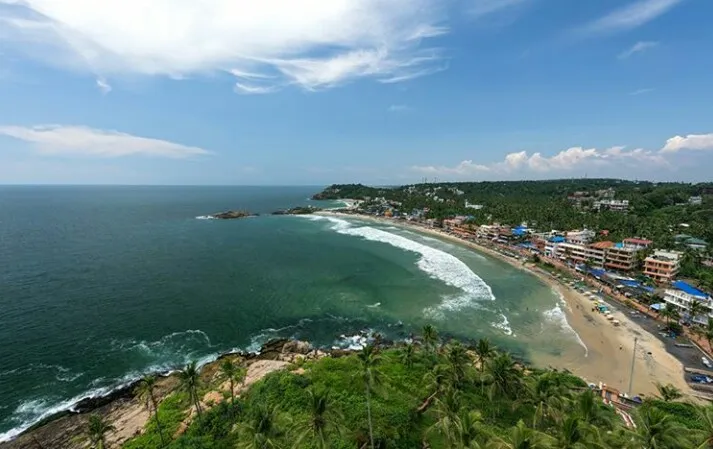
The Alappuzha Beach is another popular attraction, known for its picturesque sunsets and the historic Alappuzha Lighthouse. The beach is a great spot for relaxation and offers various activities such as beach volleyball and camel rides.
For those interested in history and architecture, the Krishnapuram Palace is a must-visit. This 18th-century palace is known for its traditional Kerala architecture and houses an impressive collection of paintings and artifacts.
Nature enthusiasts can explore the nearby Pathiramanal Island, a haven for birdwatchers, or visit the Marari Beach, known for its serene environment and eco-friendly resorts.
Quality of Life Rankings

Weather in Alappuzha
Alappuzha, India experiences a tropical monsoon climate characterized by high humidity and significant rainfall throughout the year. The city has a relatively stable temperature pattern with minor variations between seasons. Alappuzha receives an average annual precipitation of approximately 118 inches (3000 mm), with June being the wettest month, averaging around 24 inches (600 mm) of rainfall.
Seasonal Breakdown
- Spring (March to May)Temperatures during spring range from an average high of 90°F (32°C) in March to 92°F (33°C) in May. This period marks the transition from the dry season to the onset of the monsoon, with increasing humidity and occasional pre-monsoon showers.
- Summer (June to August)The monsoon season dominates the summer months, with average highs around 86°F (30°C). June is the wettest month, with heavy rainfall and thunderstorms being common. The humidity remains high, and the city experiences frequent downpours.
- Autumn (September to November)Temperatures remain relatively stable, with average highs around 88°F (31°C). The monsoon gradually recedes, but September still sees significant rainfall. By November, the weather becomes drier, and the humidity starts to decrease.
- Winter (December to February)Winter in Alappuzha is mild, with average highs around 86°F (30°C) and lows around 73°F (23°C). This is the driest period of the year, with significantly reduced rainfall and more comfortable humidity levels.
Notable Weather Events
- Heavy monsoon rains and thunderstorms during June and July.
- Occasional flooding due to intense rainfall during the monsoon season.
- High humidity levels throughout the year, particularly during the monsoon.
Alappuzha's Political Climate
Alappuzha, often referred to as the 'Venice of the East', is a city in the southern Indian state of Kerala. Known for its picturesque backwaters and vibrant culture, Alappuzha also boasts a dynamic political climate. The city is governed by a municipal council, which is part of the larger political framework of Kerala, a state known for its progressive policies and high literacy rates. The political landscape in Alappuzha is heavily influenced by the state's history of communist leadership, with the Left Democratic Front (LDF) being a significant political force.
The political history of Alappuzha is marked by its strong association with leftist ideologies, which have shaped its governance and policy directions. The city has been at the forefront of implementing progressive policies, particularly in areas such as education, healthcare, and social welfare. Alappuzha's leadership has been proactive in promoting sustainability, with initiatives aimed at preserving its unique ecosystem and promoting eco-tourism.
In recent years, Alappuzha has seen a rise in civic activism, with local movements advocating for environmental conservation and social justice. The city's political climate is characterized by a high level of public engagement, with residents actively participating in discussions and initiatives that impact their community. This engagement is reflected in the city's approach to governance, which emphasizes transparency and accountability.
Political Quick Facts
- Voter Turnout75%
- City GovernanceMunicipal Council
- CompositionMajority LDF with representation from UDF and BJP
- Recent Political ChangesIncreased focus on environmental policies and digital governance
- EngagementHigh
- Political ScorecardA- for governance and transparency
- Legislative PrioritiesEnvironmental conservation Digital infrastructure development Social welfare programs
- Public OpinionGenerally left-leaning with strong support for social welfare and environmental policies
Notable Political Figures
- Pinarayi VijayanChief Minister of Kerala known for his leadership in the LDF.
- Thomas IsaacFormer Finance Minister of Kerala and a prominent economist.
- A. K. AntonySenior politician and former Defence Minister of India, originally from Kerala.