
Quality of life in Chengannur
Cost of Living, Healthcare, Safety, Education, and More
About Chengannur
Chengannur, located in the southern state of Kerala, India, is a town that beautifully blends tradition with modernity. Known for its rich cultural heritage and religious significance, Chengannur is a hub of spiritual tourism, attracting visitors from across the country and beyond. The town is renowned for its temples, particularly the Chengannur Mahadeva Temple, which is a significant pilgrimage site.In recent years, Chengannur has seen a growth in infrastructure and local businesses, contributing to its evolving economy. The town's serene environment, coupled with its cultural vibrancy, makes it an attractive destination for those seeking a peaceful yet enriching experience.


History and Culture
Chengannur has a history that dates back to ancient times, with its roots deeply embedded in the cultural and religious traditions of Kerala. The town is historically significant due to its association with the Pandya and Chera dynasties, which have left a lasting impact on its cultural landscape.
The Chengannur Mahadeva Temple, dedicated to Lord Shiva, is one of the oldest and most revered temples in Kerala. It is known for its unique rituals and festivals, such as the Thriputharattu, which draws devotees from far and wide. The temple's architecture reflects the traditional Kerala style, showcasing intricate woodwork and mural paintings.
Chengannur is also a melting pot of various communities, contributing to its diverse cultural fabric. The town celebrates numerous festivals, including Onam and Vishu, which are marked by vibrant processions, traditional music, and dance performances. These celebrations highlight the town's rich cultural heritage and community spirit.
Things to do in Chengannur
Visitors to Chengannur can explore the Chengannur Mahadeva Temple, a must-visit for its spiritual ambiance and architectural beauty. The temple is a focal point for many cultural and religious activities throughout the year.
Nature enthusiasts can enjoy the scenic beauty of the Pamba River, which flows through the town, offering opportunities for leisurely walks and picnics along its banks. The nearby Aranmula, famous for its boat races and traditional metal mirror craft, is also worth a visit.
For those interested in local cuisine, Chengannur offers a variety of traditional Kerala dishes, including appam, puttu, and fish curry, available at local eateries and restaurants. The town's markets are also a great place to shop for spices, handicrafts, and souvenirs.
Quality of Life Rankings
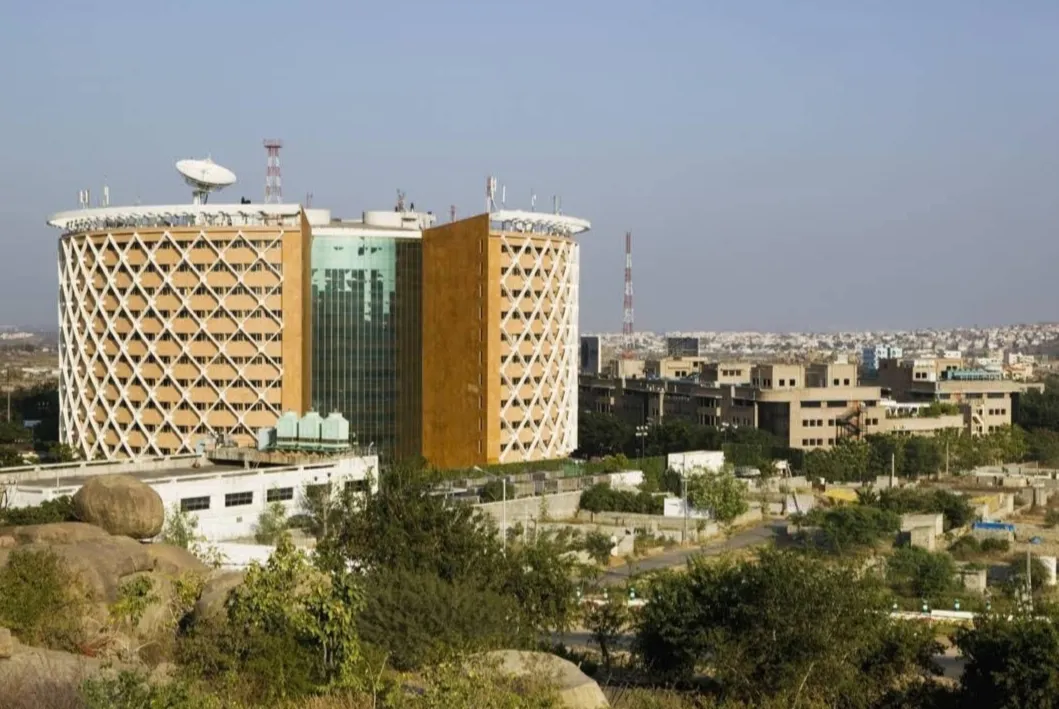
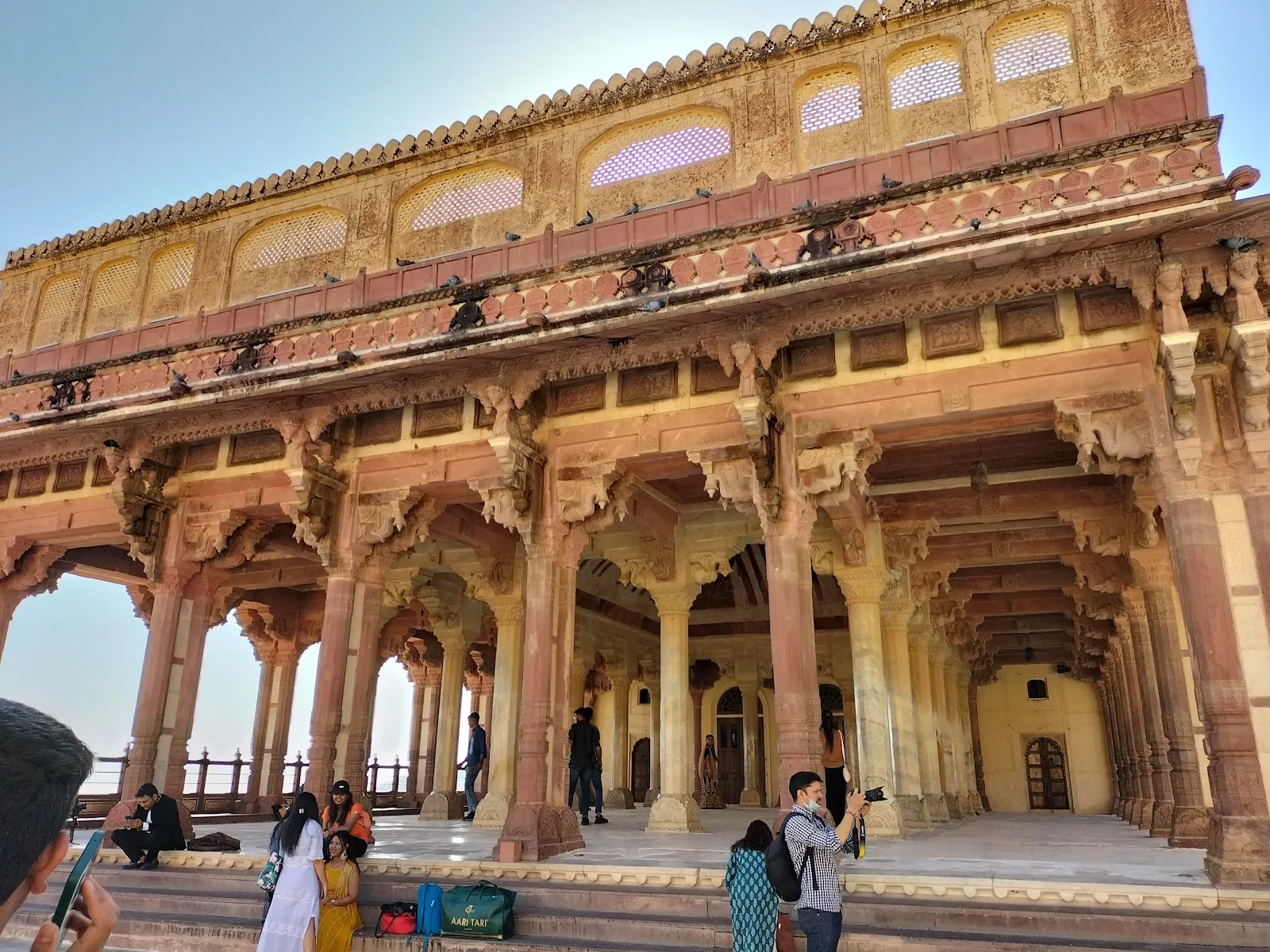
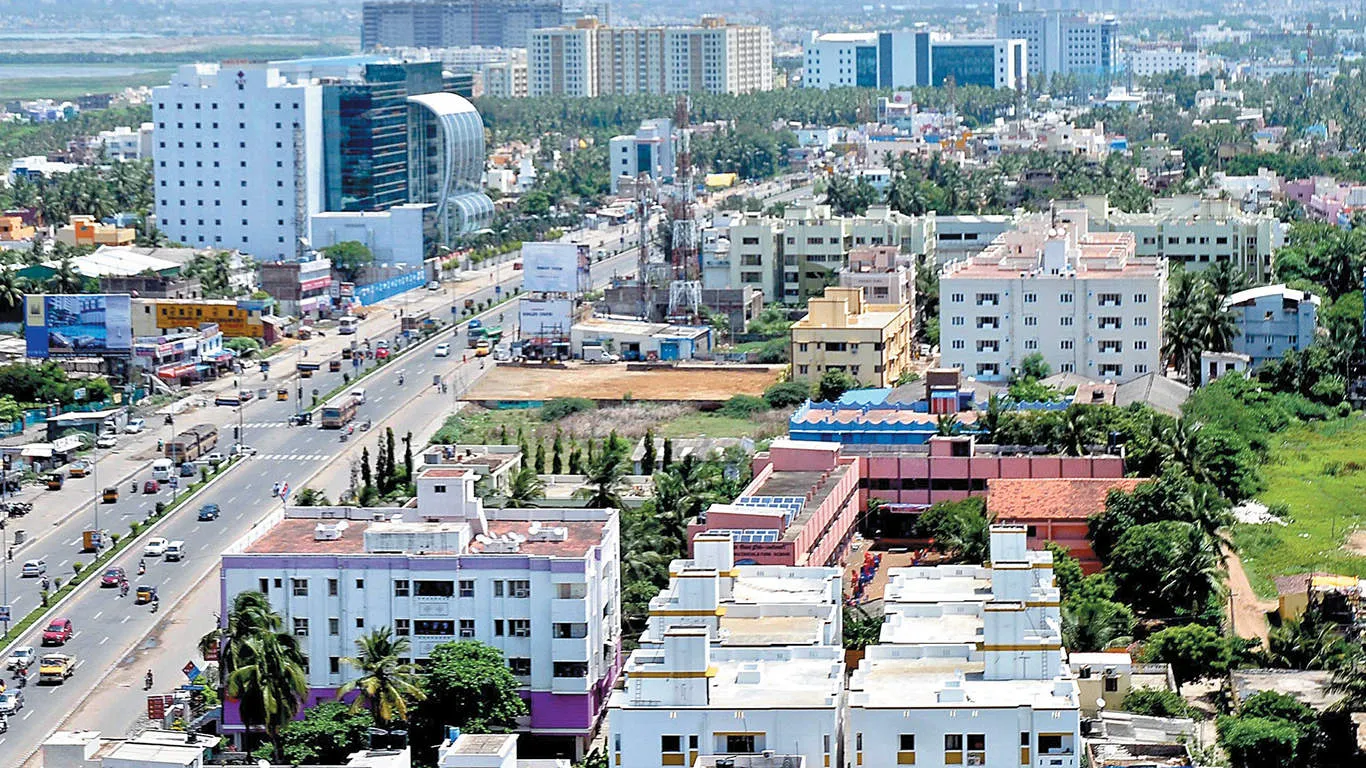

Weather in Chengannur
Chengannur, India experiences a tropical monsoon climate characterized by high humidity and significant rainfall throughout the year. The city has a distinct wet season during the monsoon months and a relatively dry season. Temperatures remain warm year-round, with little variation between seasons. The city receives an average annual precipitation of approximately 118 inches (3000 mm), with June being the wettest month, averaging around 24 inches (600 mm) of rainfall.
Seasonal Breakdown
- Spring (March to May)Temperatures during spring range from an average high of 91°F (33°C) in March to 95°F (35°C) in May. This period marks the transition from the dry season to the monsoon, with increasing humidity and occasional pre-monsoon showers.
- Summer (June to August)The monsoon season, with temperatures ranging from 86°F (30°C) to 88°F (31°C). This period is characterized by heavy rainfall, especially in June, which receives the most precipitation. Humidity levels are high, and the city experiences frequent thunderstorms.
- Autumn (September to November)Temperatures remain warm, ranging from 86°F (30°C) in September to 88°F (31°C) in November. Rainfall decreases gradually, but the city still experiences significant precipitation, especially in September.
- Winter (December to February)The driest period of the year, with temperatures ranging from 84°F (29°C) to 88°F (31°C). Rainfall is minimal, and the weather is relatively cooler and less humid compared to other seasons.
Notable Weather Events
- Heavy monsoon rains leading to flooding, particularly in June and July.
- Occasional heatwaves during the pre-monsoon months of April and May.
- Thunderstorms and high humidity during the monsoon season.
Chengannur's Political Climate
Chengannur, a town in the Alappuzha district of Kerala, India, is known for its vibrant political climate, deeply rooted in the state's rich history of political activism and progressive governance. Kerala, often referred to as 'God's Own Country,' has a unique political landscape characterized by a strong presence of leftist ideologies, primarily led by the Communist Party of India (Marxist) and the Indian National Congress. Chengannur reflects this broader state trend, with local politics often influenced by these major parties.
The town has a history of active political engagement, with citizens participating enthusiastically in elections and local governance. Chengannur's political leadership is currently aligned with the broader state government's focus on social welfare, education, and healthcare. The town has been at the forefront of implementing progressive policies, particularly in areas such as public health and education, which are hallmarks of Kerala's governance model.
Chengannur's political climate significantly impacts its economic and social decisions. The emphasis on social justice and equitable development has led to initiatives aimed at improving the quality of life for its residents. Environmental sustainability is also a key focus, with policies promoting green energy and conservation efforts. Recent political events in Chengannur include local movements advocating for better infrastructure and public services, reflecting the community's active civic engagement.
Political Quick Facts
- Voter Turnout75%
- City GovernanceMunicipal Council
- CompositionMajority CPI(M) with representation from INC and BJP
- Recent Political ChangesIncreased focus on digital governance and infrastructure development
- EngagementHigh civic activism and community participation
- Political ScorecardHigh transparency and effective governance
- Legislative PrioritiesPublic health enhancement Educational reforms Infrastructure development
- Public OpinionGenerally progressive with strong support for social welfare policies
Notable Political Figures
- Saji CherianCurrent MLA of Chengannur, member of CPI(M), known for his work in public welfare.
- K.K. DivakaranFormer MLA, influential in local politics and social justice initiatives.
- P.C. VishnunathProminent INC leader, known for his advocacy in youth and educational reforms.