
Quality of life in Chittorgarh
Cost of Living, Healthcare, Safety, Education, and More
About Chittorgarh
Chittorgarh, located in the state of Rajasthan, India, is a city steeped in history and culture. Known for its majestic fort, Chittorgarh Fort, the city is a testament to the valor and heroism of the Rajput warriors. The city exudes a traditional Rajasthani charm, with its vibrant festivals, colorful attire, and rich culinary heritage.In recent years, Chittorgarh has seen a growing interest in tourism, drawing visitors from around the world to explore its historical sites and experience its cultural richness. The city's economy is also supported by agriculture and small-scale industries, contributing to its steady growth.


History and Culture
Chittorgarh's history is deeply intertwined with the tales of Rajput valor and sacrifice. The city was the capital of the Mewar Kingdom and has witnessed numerous battles, most notably the sieges by Alauddin Khilji and Bahadur Shah. These events have left an indelible mark on the city's cultural landscape.
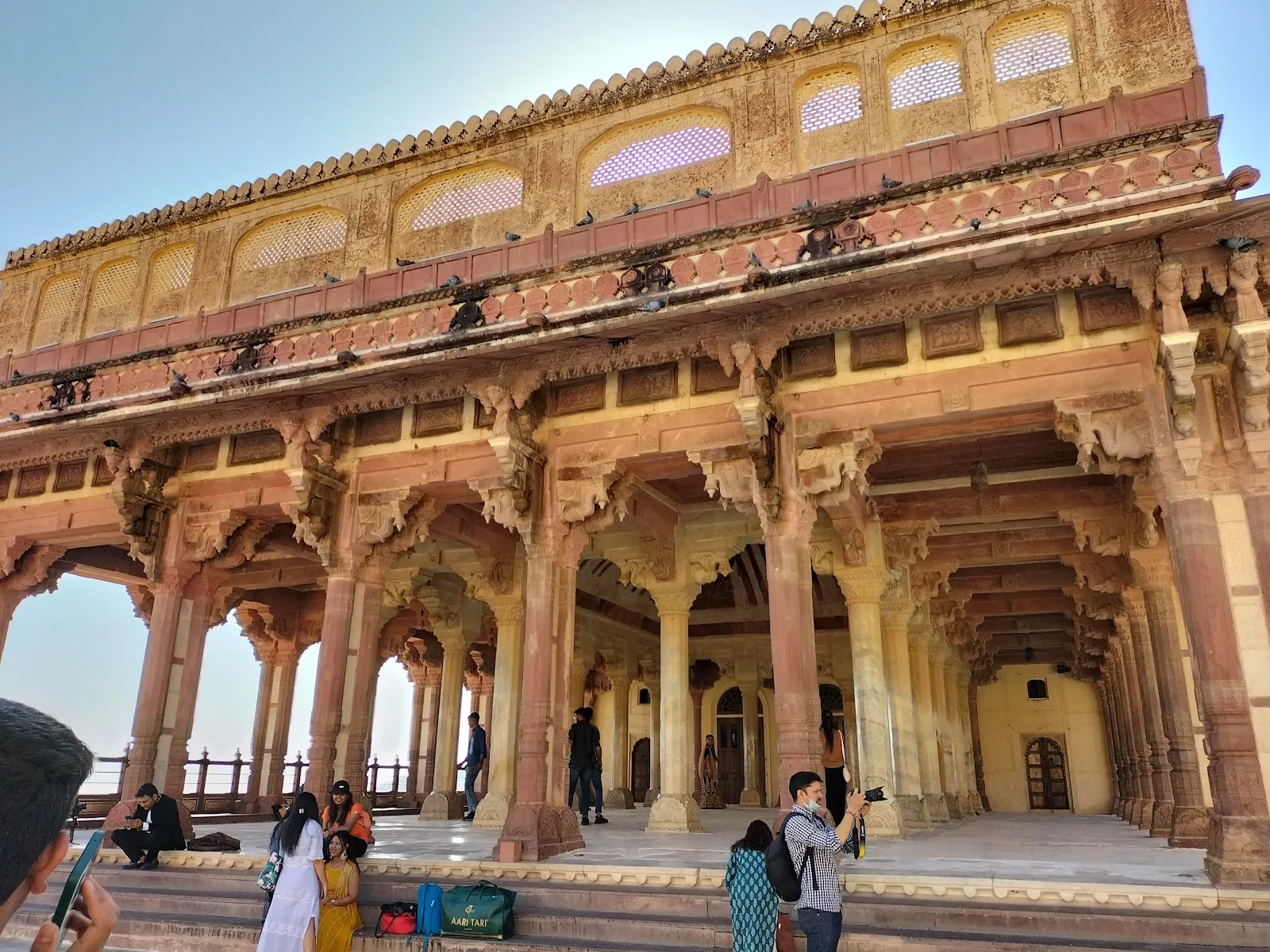
The Chittorgarh Fort, a UNESCO World Heritage Site, is the largest fort in India and a symbol of Rajput pride. It houses several palaces, temples, and towers, each narrating stories of the past. The fort is a focal point of the city's cultural identity and hosts the annual Jauhar Mela, commemorating the bravery of Rajput women.
Chittorgarh is also known for its vibrant festivals such as Teej, Gangaur, and Diwali, which are celebrated with great enthusiasm. The city's cultural fabric is enriched by its diverse communities, each contributing to the local traditions, music, and dance forms like Ghoomar and Kalbeliya.
Things to do in Chittorgarh
Visitors to Chittorgarh can explore the magnificent Chittorgarh Fort, which offers panoramic views of the city and a glimpse into its storied past. The fort's key attractions include the Vijay Stambh (Victory Tower), Kirti Stambh (Tower of Fame), and the Rana Kumbha Palace.
For those interested in spirituality, the city is home to several ancient temples such as the Meera Temple and the Kalika Mata Temple, which are significant pilgrimage sites. These temples showcase exquisite architecture and are integral to the city's spiritual life.
Chittorgarh also offers a taste of Rajasthani cuisine, with local eateries serving traditional dishes like Dal Baati Churma and Gatte ki Sabzi. Visitors can enjoy shopping for handicrafts and textiles at local markets, which reflect the region's artisanal skills.
The city hosts various cultural events and fairs, including the annual Jauhar Mela and the Rang Teras festival, which provide insights into the local customs and traditions. These events are a great way to experience the vibrant culture of Chittorgarh.
Quality of Life Rankings

Weather in Chittorgarh
Chittorgarh, India experiences a semi-arid climate characterized by hot summers, mild winters, and a monsoon season. The city receives an average annual precipitation of approximately 28 inches (700 mm), with July being the wettest month, averaging around 9 inches (230 mm) of rainfall.
Seasonal Breakdown
- Spring (March to May)Temperatures gradually rise from an average high of 85°F (29°C) in March to 104°F (40°C) in May. Rainfall is minimal during this period, with occasional pre-monsoon showers.
- Summer (June to August)The hottest months, with average highs ranging from 104°F (40°C) in June to 95°F (35°C) in August. The monsoon season begins in late June, bringing significant rainfall, especially in July, which averages around 9 inches (230 mm).
- Autumn (September to November)Temperatures gradually decrease from an average high of 90°F (32°C) in September to 81°F (27°C) in November. Rainfall decreases significantly after the monsoon, averaging around 1.5 inches (38 mm) per month.
- Winter (December to February)The coldest period, with average highs ranging from 77°F (25°C) in December to 79°F (26°C) in February. Nights can be cooler, with lows around 50°F (10°C). Rainfall is minimal during this period.
Notable Weather Events
- Heatwaves during late spring and early summer with temperatures exceeding 110°F (43°C).
- Heavy monsoon rains in July and August, occasionally leading to localized flooding.
- Cooler nights during winter with temperatures occasionally dropping below 50°F (10°C).
Chittorgarh's Political Climate
Chittorgarh, located in the northwestern state of Rajasthan, India, is a city steeped in historical significance and cultural heritage. The political climate of Chittorgarh is influenced by its rich history and the broader political dynamics of Rajasthan. The city is governed by a municipal council, which is responsible for local administration and development. The political landscape is largely shaped by the two major national parties in India, the Bharatiya Janata Party (BJP) and the Indian National Congress (INC), with local leaders often aligning with these parties.
Historically, Chittorgarh has been a site of significant political and military events, which continue to influence its political narrative. The city is known for its fort, a symbol of Rajput valor and resistance, which has been a focal point in the region's history. In recent years, the political leadership in Chittorgarh has focused on issues such as infrastructure development, tourism promotion, and water management, reflecting the priorities of the local populace.
Chittorgarh has also been part of Rajasthan's broader efforts towards sustainability and social justice. Initiatives aimed at improving water conservation and promoting renewable energy have been implemented, aligning with the state's focus on environmental sustainability. The political climate in Chittorgarh is also shaped by social issues, including caste dynamics and rural development, which are critical in shaping policy decisions.
The city's political climate is reflective of its economic and social priorities, with a strong emphasis on preserving cultural heritage while fostering economic growth. Recent political trends in Chittorgarh include a growing emphasis on digital governance and transparency, as well as efforts to increase civic engagement among residents.
Political Quick Facts
- Voter Turnout68%
- City GovernanceMunicipal Council
- CompositionMajority BJP with significant INC presence
- Recent Political ChangesIncreased focus on digital governance and transparency
- EngagementModerate, with increasing civic participation
- Political ScorecardB+ for governance and transparency
- Legislative PrioritiesInfrastructure development Tourism promotion Water management
- Public OpinionConservative with a focus on cultural preservation and economic development
Notable Political Figures
- Vasundhara RajeFormer Chief Minister of Rajasthan and influential BJP leader
- C. P. JoshiSenior Congress leader and former Union Minister
- Gulab Chand KatariaVeteran BJP leader and former Home Minister of Rajasthan