Compare cities by Healthcare metrics and find the best places to live

Qingdao boasts a robust healthcare system, recognized for its efficiency and high standards. With a healthcare index of 76.72, the city provides residents with access to competent healthcare professionals and modern facilities. The system is well-regarded for its balance of cost and quality, making it a reliable choice for healthcare services.

Beijing's healthcare system is recognized for its efficiency and comprehensive coverage. With a healthcare index of 68.99, the city offers a robust network of hospitals and clinics equipped with modern technology. Despite the high level of public insurance coverage, there are still challenges related to cost and accessibility for some residents.

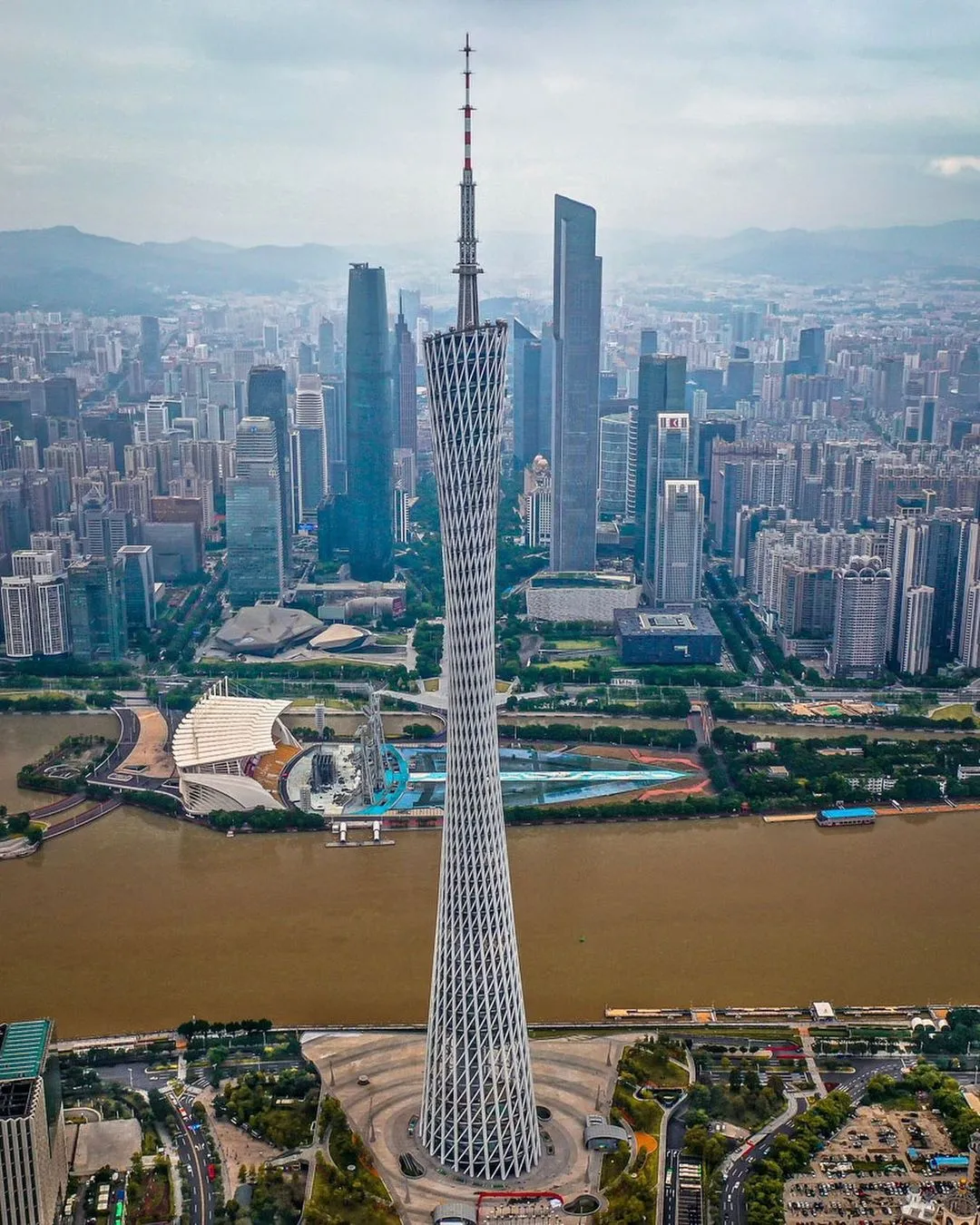
Guangzhou, a major city in China, boasts a robust healthcare system with a healthcare index of 67.26. The city is known for its efficient medical services and advanced healthcare facilities. Despite the high quality of care, there are challenges such as varying levels of insurance coverage and friendliness.

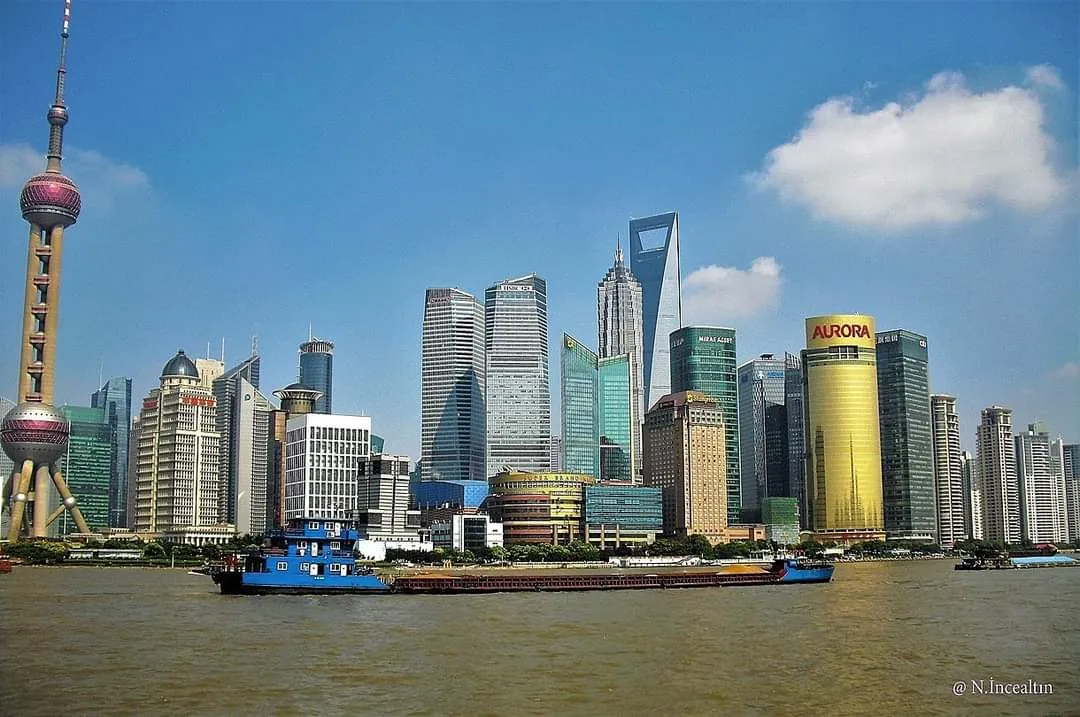
Shanghai's healthcare system is renowned for its efficiency and modernity, ranking highly with a healthcare index of 64.87. The city offers a robust network of hospitals and clinics, supported by skilled healthcare professionals and advanced medical technology. Despite the high quality of care, the friendliness and courtesy of healthcare staff have room for improvement.

Shenzhen, a rapidly growing metropolis in China, boasts a dynamic healthcare system. With a healthcare index of 63.35, the city provides a robust framework for medical services, though challenges remain in areas like skill and competency. The city's healthcare system is characterized by its modern equipment and swift service delivery.