Traffic Rankings in China

Compare cities by Traffic metrics and find the best places to live

The Traffic Index for China combines user-contributed data on commute times, traffic dissatisfaction, CO2 emissions, and traffic system inefficiencies in China, to provide insights into overall traffic conditions.
Worst to BestUpdated: Oct, 2025
Beijing
1

Beijing

#1 in Traffic(#73 worldwide)

Beijing, a bustling metropolis, faces significant traffic challenges with a diverse range of transportation modes. In 2024, the primary mode of transportation is by car, followed by trains and walking, reflecting the city's dynamic urban landscape.

Shanghai
2

Shanghai

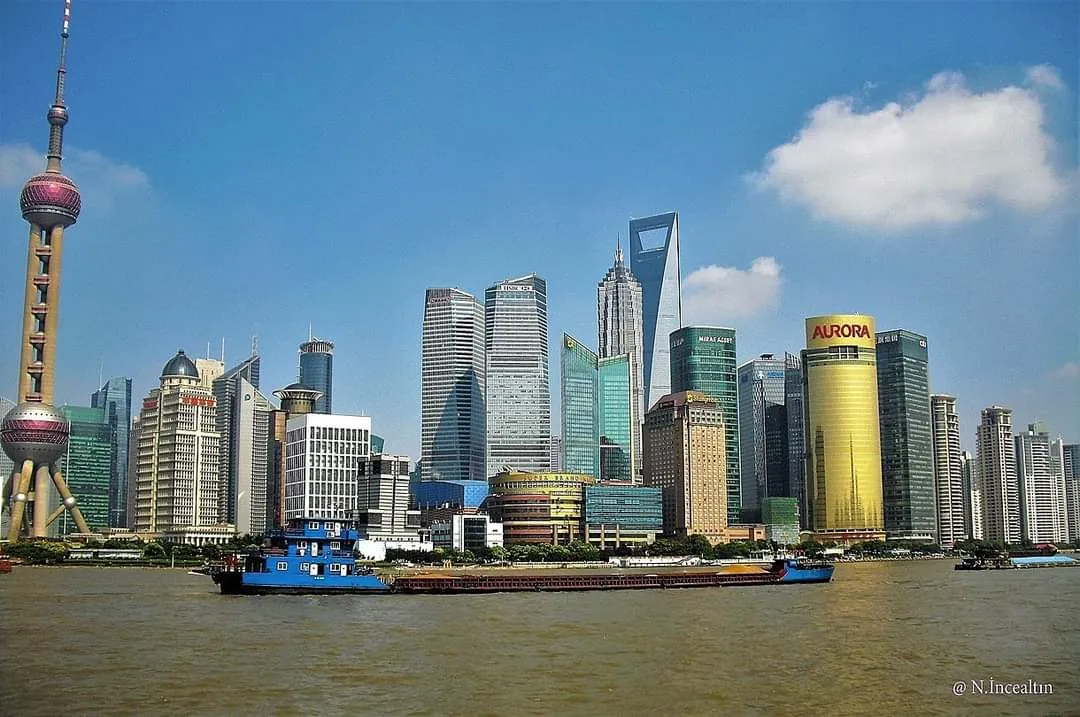
#2 in Traffic(#76 worldwide)

Shanghai, a bustling metropolis, relies heavily on trains and cars for daily commutes, with trains being the most popular mode of transport. Despite the extensive public transport network, traffic inefficiencies and high CO2 emissions remain significant challenges.

Guangzhou
3

Guangzhou

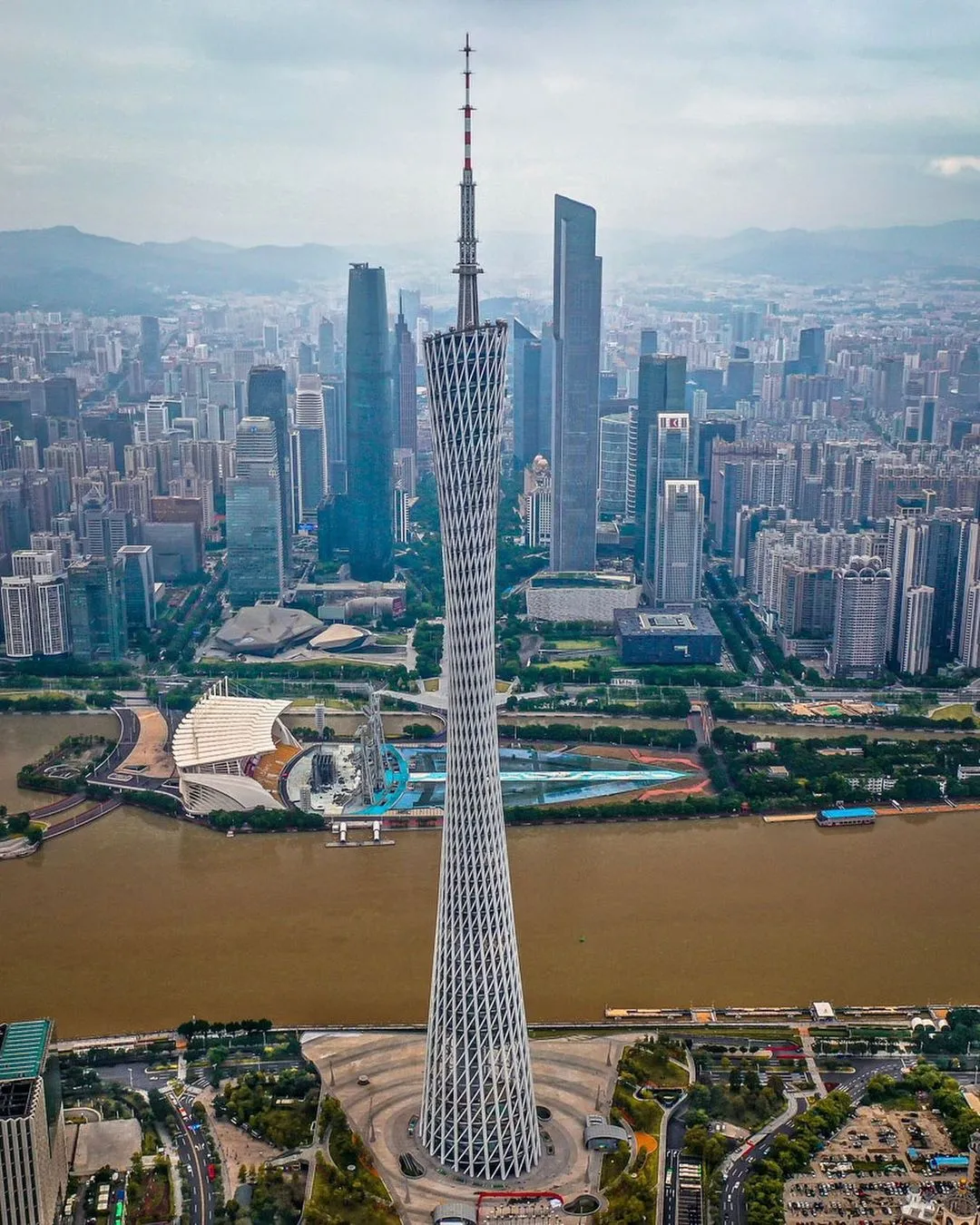
#3 in Traffic(#166 worldwide)

In 2024, Guangzhou's transportation landscape is dominated by cars, with a significant portion of the population also relying on buses and walking. The city's traffic inefficiency and CO2 emissions indexes highlight areas for potential improvement in public transportation and environmental impact.

Shenzhen
4

Shenzhen

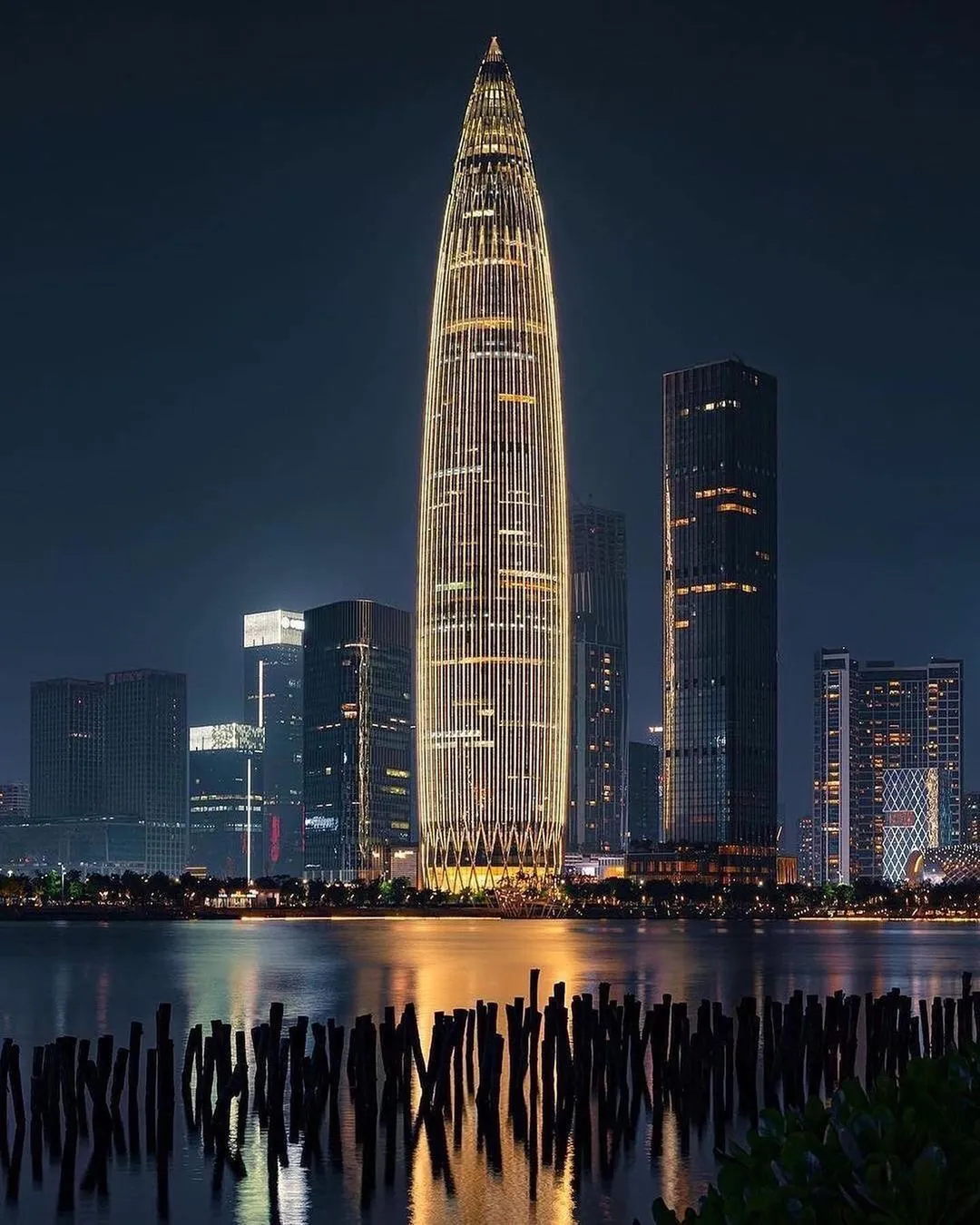
#4 in Traffic(#261 worldwide)

Shenzhen, a bustling metropolis in China, showcases a diverse array of transportation modes with walking and train usage leading the way. In 2024, the city continues to focus on reducing traffic inefficiencies and CO2 emissions through various sustainability efforts.

Qingdao, Shandong
5

Qingdao, Shandong

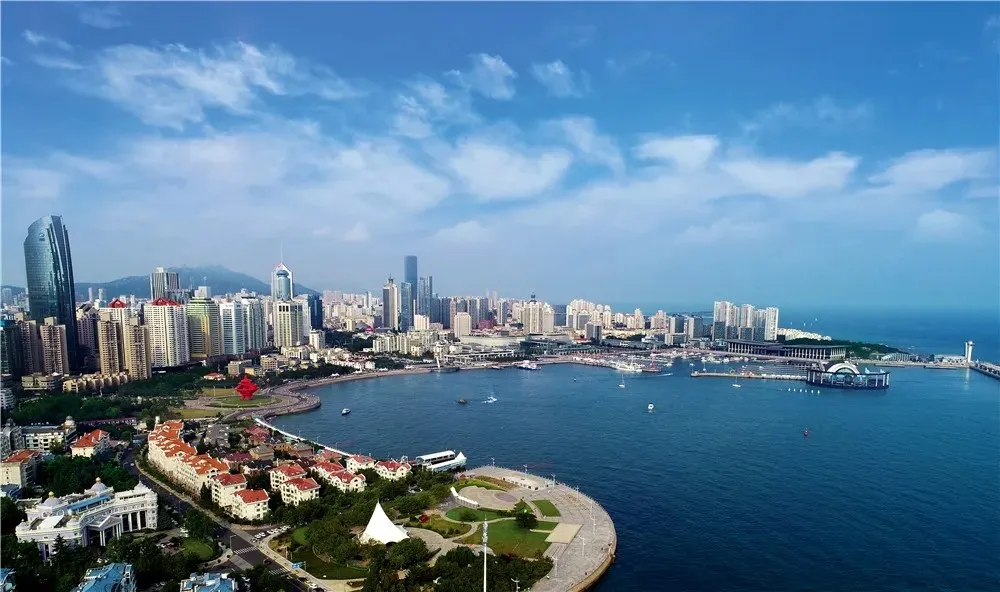
#5 in Traffic(#321 worldwide)

In 2024, Qingdao's transportation landscape is dominated by walking, with a significant portion of the population choosing this eco-friendly mode. Despite the high walking percentage, Qingdao faces challenges with CO2 emissions and traffic inefficiency, highlighting areas for improvement.