
Quality of life in Bankura
Cost of Living, Healthcare, Safety, Education, and More
About Bankura
Bankura, located in the state of West Bengal, India, is a city known for its rich cultural heritage and historical significance. It is often celebrated for its traditional art forms, including the famous terracotta temples and the vibrant folk music and dance. The city is a blend of ancient traditions and modern developments, making it a unique destination for both residents and visitors.In recent years, Bankura has seen a growth in tourism, driven by its picturesque landscapes and cultural festivals. The city offers a peaceful environment with a strong sense of community, attracting those looking to experience the authentic culture of West Bengal.



History and Culture
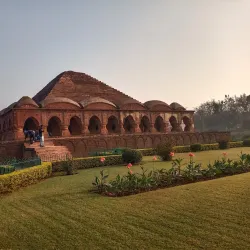
Bankura's history dates back to ancient times, with its roots deeply embedded in the cultural and religious traditions of Bengal. The city is renowned for its terracotta temples, which are masterpieces of Bengal architecture, reflecting the artistic excellence of the region. These temples, such as the Bishnupur group of temples, are not only places of worship but also serve as a testament to the city's historical significance.
Throughout history, Bankura has been a hub for various cultural movements and has produced notable figures in the fields of art and literature. The city has a rich tradition of folk music and dance, including the famous 'Jhumur' dance, which is an integral part of local festivals and celebrations.
The cultural fabric of Bankura is further enriched by its diverse communities, each contributing to the city's vibrant traditions and customs. Festivals such as Durga Puja and the Bishnupur Mela are celebrated with great enthusiasm, showcasing the city's cultural vibrancy and community spirit.
Things to do in Bankura
Visitors to Bankura can explore the famous terracotta temples of Bishnupur, which are a UNESCO World Heritage site. These temples are known for their intricate carvings and historical significance.
The city offers a variety of outdoor activities, including hiking and nature walks in the nearby Susunia Hills, which are popular for their scenic beauty and ancient rock inscriptions.
Bankura is also known for its vibrant local markets, where visitors can purchase traditional handicrafts, including the famous Bankura horse, a symbol of the region's artistic heritage.
Cultural enthusiasts can enjoy local festivals such as the Bishnupur Mela, which features traditional music, dance, and crafts, providing a glimpse into the rich cultural tapestry of the region.
Quality of Life Rankings

Weather in Bankura
Bankura, India experiences a tropical wet and dry climate characterized by hot summers, a monsoon season, and mild winters. The city receives an average annual precipitation of approximately 55 inches (1400 mm), with July being the wettest month, averaging around 12 inches (300 mm) of rainfall.
Seasonal Breakdown
- Spring (March to May)Temperatures gradually rise from an average high of 88°F (31°C) in March to 104°F (40°C) in May. Rainfall is minimal during this period, with occasional pre-monsoon showers.
- Summer (June to August)The hottest months, with average highs ranging from 95°F (35°C) in June to 90°F (32°C) in August. This period coincides with the monsoon season, bringing heavy rainfall, especially in July, averaging around 12 inches (300 mm).
- Autumn (September to November)Temperatures gradually decrease from an average high of 88°F (31°C) in September to 81°F (27°C) in November. Rainfall decreases as the monsoon retreats, averaging around 5 inches (125 mm) per month.
- Winter (December to February)The coldest period, with average highs ranging from 77°F (25°C) in December to 82°F (28°C) in February. Rainfall is minimal, and the weather is generally dry and pleasant.
Notable Weather Events
- Heatwaves during late spring and early summer, with temperatures occasionally exceeding 110°F (43°C).
- Heavy monsoon rains leading to potential flooding in low-lying areas.
- Occasional cyclonic storms during the monsoon season, bringing strong winds and heavy rainfall.
Bankura's Political Climate
Bankura, a city in the state of West Bengal, India, is known for its rich cultural heritage and vibrant political landscape. The city operates under the governance of the West Bengal state government, which is currently led by the All India Trinamool Congress (AITC). Bankura has a history of political activism and engagement, with a strong presence of leftist ideologies, primarily due to the influence of the Communist Party of India (Marxist) in the past.
The political climate in Bankura is shaped by a mix of traditional and progressive policies. The city has been part of various state-led initiatives focusing on rural development, education, and healthcare. Recent years have seen an increased emphasis on sustainability and environmental conservation, aligning with broader state policies. Social justice initiatives, particularly those aimed at empowering women and marginalized communities, are also prominent in the city's political agenda.
Bankura's political environment significantly influences its economic and social decisions. The city's leadership has been proactive in implementing policies that promote economic growth while ensuring social equity. The focus on infrastructure development and improving public services reflects the city's commitment to enhancing the quality of life for its residents. Recent political events, such as local elections and policy shifts, continue to shape the city's governance and development trajectory.
Political Quick Facts
- Voter Turnout72%
- City GovernanceMunicipal governance under the West Bengal state government
- CompositionMajority AITC with representation from CPI(M) and BJP
- Recent Political ChangesShift towards more sustainable and inclusive policies
- EngagementHigh civic activism and community participation
- Political ScorecardModerate, with strengths in transparency and public service delivery
- Legislative PrioritiesRural development Education reform Healthcare improvement
- Public OpinionGenerally left-leaning with strong support for social welfare programs
Notable Political Figures
- Mamata BanerjeeChief Minister of West Bengal and leader of AITC, known for her populist policies and strong leadership.
- Subrata MukherjeeSenior AITC leader and influential figure in state politics, known for his work in urban development.
- Biman BoseVeteran CPI(M) leader with a long history of political activism in West Bengal.